
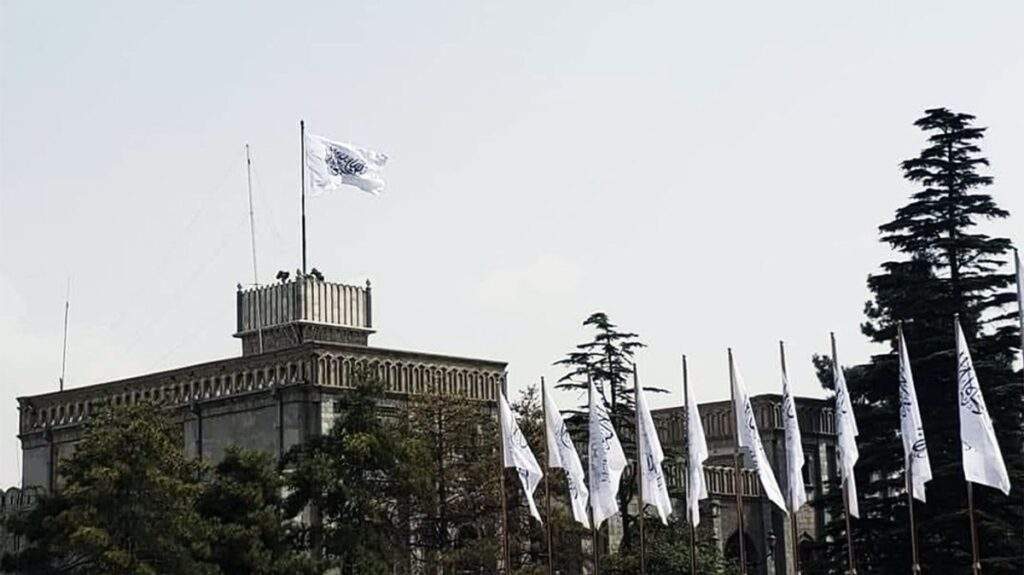
In a surprising turn of events, several countries, including China, are breaking away from Washington’s approach and working towards establishing diplomatic ties with the Islamic Emirate of Afghanistan (IEA). This shift challenges the United States’ strategy of isolating the IEA and raises important questions about the effectiveness of nonrecognition as a diplomatic tool, highlighting the limitations of US influence on the global stage. Breaking the Isolation Barrier While the US and its allies have refrained from recognizing the IEA and instead focused on providing humanitarian aid to the Afghan people, other nations have chosen a different path. Countries like China have set up embassies in Kabul and welcomed Afghan embassies in their own capitals, signaling a willingness to engage with the IEA despite its controversial policies, particularly regarding women’s rights and social norms. The recent participation of Iran and Russia in a multilateral conference hosted by the IEA in January further emphasizes this trend of increased engagement. The IEA’s Defiant Stance Despite facing criticism from the international community, especially regarding its treatment of girls’ education and women’s rights, the IEA has remained steadfast in its position, viewing external pressure as an infringement on Afghanistan’s sovereignty. This defiance has only reinforced the IEA’s strict policies, making it challenging for the global community to influence their behavior. The involvement of Russia and China, although not amounting to formal recognition, suggests that these countries may be seeking additional assurances from Kabul on security matters and the fight against terrorism. Implications for US Diplomatic Strategy The changing dynamics in Afghanistan and the waning consensus on isolating the IEA present significant hurdles for US foreign policy. It underscores the limitations of using nonrecognition as a tool of coercion and underscores the necessity for Washington to explore alternative approaches to achieve its goals. This development also highlights broader challenges facing US diplomacy, including the rise of strategic competition from China and the complexities of rallying international support for addressing global crises. As countries like China carve out their own diplomatic paths, the US may need to rethink its strategies for engaging with adversarial regimes and finding more effective ways to exert influence in an increasingly multipolar world.
Metro News Africa
2 min read
Diplomatic Shift: Challenges to US Isolation Strategy in Afghanistan
In a surprising turn of events, several countries, including China, are breaking away from Washington’s approach and working towards establishing […]
More stories like this
![Troops, terrorists exchange gunfire in Kogi [VIDEO]](https://mediatalkafrica.com/wp-content/uploads/2026/01/Terrorists-Exchange-Gunfire-With-Nigerian-Troops-In-Kogi-State-768x576.jpeg)
Metro News Africa
Operation FANSAN YAMMA Recovers 6 Cows, Arrests 4 Lakurawa Suspects
Metro News Africa
Edo NDLEA Flags Forest Cannabis, Schoolchildren Drug Involvement
Metro News Africa
Kano Halts SMC Malaria Programme, Sets Up Probe Committee
Metro News Africa
Comments are closed for this story.