
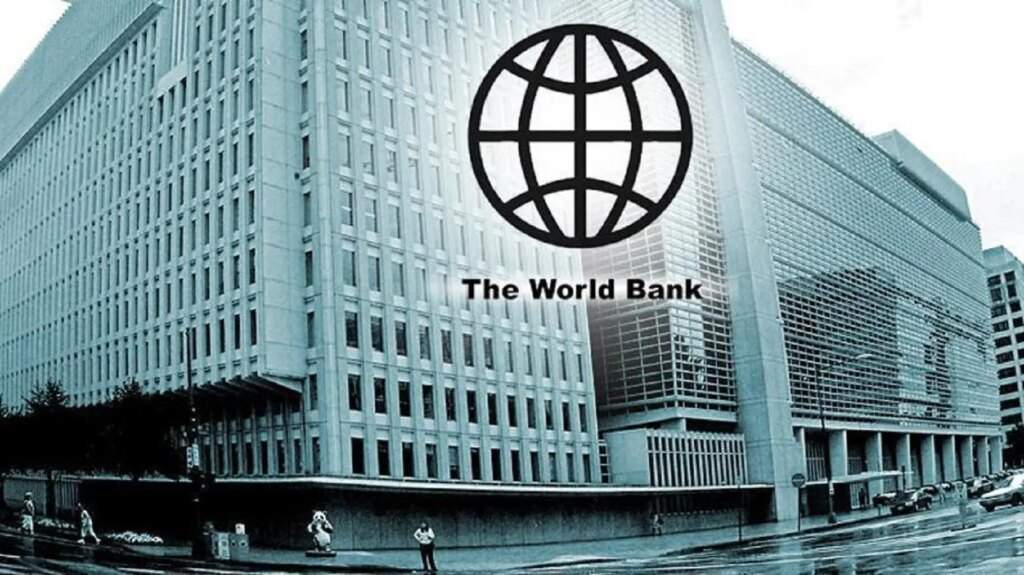
The Nigerian government is exploring the reintroduction of several taxes on citizens to secure a $750 million loan from the World Bank. This information comes from a document published by the World Bank itself.
The proposed taxes include:
- Telecom Tax: A reimplementation of the five per cent excise duty on telecommunication services, previously suspended by President Tinubu in July 2023.
- Electronic Money Transfer Levy (EMT): A new tax on electronic money transfers through the Nigerian banking system.
- Excise on Specific Goods: This could potentially include tobacco products, sugar-sweetened beverages, and alcoholic beverages.
- Green Taxes: This could involve taxes on high greenhouse gas emission vehicles to promote local manufacturing and assembly.
The document outlines a plan to engage various industry stakeholders in the implementation of these new taxes. These stakeholders include:
- Association of Licensed Telecom Operators of Nigeria (ALTON)
- Committee of Bankers
- Manufacturer’s Association of Nigeria (MAN)
- Distillers and Blenders Association of Nigeria
- Association of Nigeria Customs Agents (ANCA)
- Association of Motor Dealers of Nigeria (AMDON)
The Nigerian Communication Commission (NCC) and the Central Bank of Nigeria (CBN) are also identified as key institutions involved in regulating the proposed new taxes.
The World Bank document also details the funding structure for the program, known as ARMOR (Accelerating Resource Mobilisation Reforms). The program includes:
- $1.17 billion allocated from the annual budgets of the Federal Ministry of Finance (FMF), Federal Inland Revenue Service (FIRS), and Nigerian Customs Service (NCS).
- $730 million in results-based financing from the World Bank.
- $20 million in investment financing from the World Bank.
- $10 million for project management, tax policy capacity building, and other expenses.
The release of the $730 million in results-based financing is contingent on the Nigerian government meeting specific fiscal targets.
The reintroduction of these taxes is likely to be met with public resistance, as it would place an additional financial burden on Nigerians. The government will need to carefully consider the economic and social impact of these measures before proceeding.



Comments are closed for this story.