
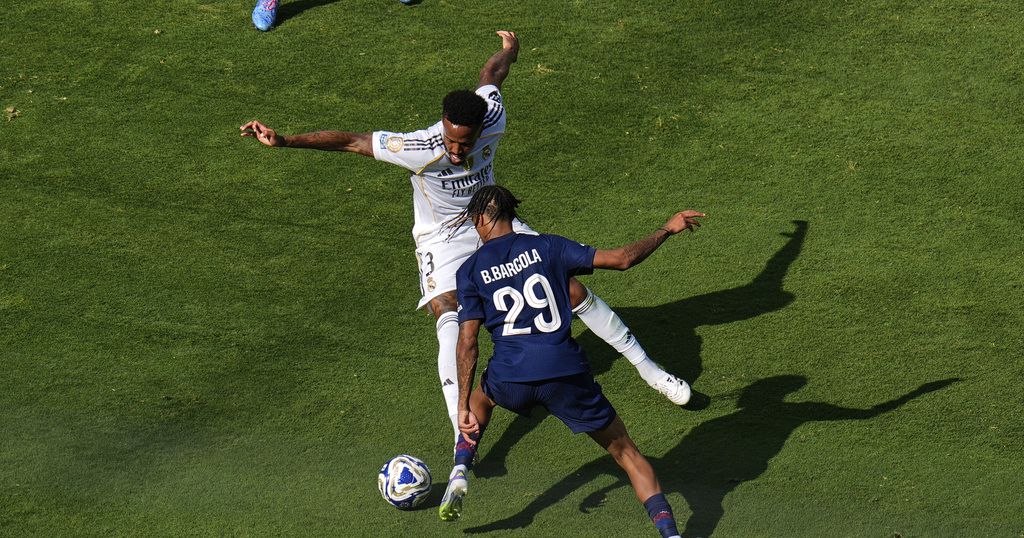
FIFA has announced a tentative agreement with player representatives to enforce a minimum 72-hour rest period between matches and guarantee 21 days of annual off-season leave for footballers, signaling a potential shift in efforts to address athlete welfare concerns. The framework, described as “progressive” by the governing body, emerged from discussions between FIFA officials and global players’ union delegates in New York, though notable absences cast doubt on its implementation. Central to the uncertainty is FIFPRO’s exclusion from the talks. The international players’ union, which advocates for over 65,000 professionals worldwide, did not participate in the negotiations despite heightened scrutiny of fixture congestion. FIFA confirmed only that “representatives from several players’ unions” attended but withheld specific names. While the consensus emphasizes health as a “top priority,” critics warn the lack of binding language and FIFPRO’s absence could stall meaningful reform. The agreement arrives amid mounting backlash over FIFA’s expanded 32-team Club World Cup, set to debut in 2025 within an already packed calendar featuring the World Cup, European Championship, and Copa América. Players’ unions have condemned the tournament’s scheduling during the European off-season, with France’s UNFP declaring it “urgent to stop this massacre” of player workloads last month. FIFA President Gianni Infantino noted the proposed rest periods would be tailored to individual clubs and collective bargaining agreements, but practical challenges loom large. For leagues like Germany’s Bundesliga, enforcing a strict 72-hour break could force fixture reshuffles. Teams competing in Thursday Europa League matches, for example, typically play domestic games on Sundays—a schedule that would require moving to Mondays under the new rule. This poses a problem for the Bundesliga, which eliminated Monday fixtures in 2021 after fan protests and excluded them from its upcoming broadcast deals. While the league initially introduced Monday games to accommodate European competitions, supporters argued they disrupted traditional weekend matchday culture. FIFA’s proposal also advocates for weekly rest days and considerations for travel and weather in future scheduling, but concrete details remain sparse. The governing body faces balancing stakeholder interests: broadcasters demand predictable slots, clubs juggle multiple competitions, and players seek relief from physical and mental strain. As debates intensify, the efficacy of these measures may hinge on broader collaboration—particularly with absent unions like FIFPRO—to transform consensus into actionable standards.
African Sports News
2 min read
FIFA, Players Back 72-Hour Rest and 21-Day Vacation; Final Deal in Doubt
FIFA has announced a tentative agreement with player representatives to enforce a minimum 72-hour rest period between matches and guarantee […]
More stories like this
African Sports News
Rangers Crowned 2025/26 NPFL Champions After Dramatic Final-Day Victory

African Sports News
Arsenal crowned 2025/26 Premier League champions

African Sports News
Arsenal star Jack Wilshere says Premier League win matters most

African Sports News
Comments are closed for this story.