
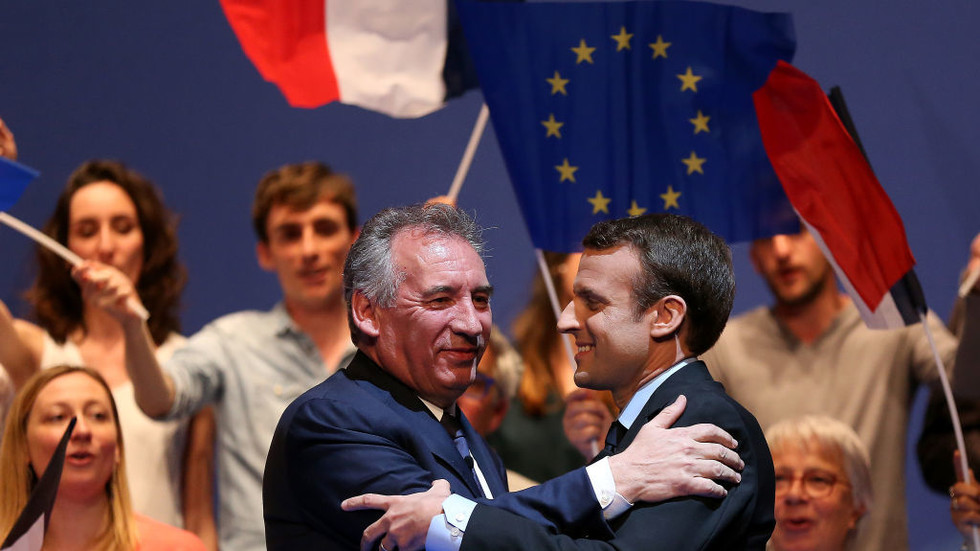
French President Emmanuel Macron and Prime Minister François Bayrou have become the least popular leadership duo in modern French history, according to a poll released Monday by the IFOP institute. Macron’s approval rating fell to 19%, the first time it has dipped below 20% since he took office in 2017, while Bayrou’s sank to 18%—a combined 37% that marks the lowest joint approval level for any administration under France’s Fifth Republic, established in 1958. The decline comes amid public frustration over austerity measures and rising military expenditure. Even during the peak of the Yellow Vest protests in 2018, which erupted over fuel taxes and economic inequity, Macron’s approval never dropped below 23%. The latest figures reveal a stark erosion of support: only 49% of those who voted for him in 2022 still approve of his leadership, a 12-point drop. Backing from business leaders and executives has also dwindled by 18 and 8 points, respectively. Bayrou, who assumed office in late 2024 after the collapse of Michel Barnier’s government due to infighting and backlash over pension reforms, faces similar discontent. His proposed austerity plan aims to address a €43.8 billion ($48 billion) budget shortfall through measures including higher taxes on top earners, frozen pensions and social benefits, healthcare spending limits, and the elimination of two public holidays to boost productivity. Left-wing opposition leader Jean-Luc Mélenchon has demanded Bayrou’s resignation, condemning the policies as “intolerable injustices” that disproportionately affect ordinary citizens. Meanwhile, defense spending continues to rise despite cuts to social programs. Macron recently pledged an additional €6.5 billion for the military over the next two years, citing heightened security risks in Europe. This aligns with a French defense review warning of a potential “major conflict” on the continent by 2030, identifying Russia as a primary threat. Moscow has rejected the claims, accusing NATO nations of exaggerating tensions to justify military expansion. The austerity push unfolds against a backdrop of soaring public debt, now at €3.3 trillion—roughly 114% of France’s GDP. Critics argue the government’s dual focus on fiscal tightening and military investment risks deepening public disillusionment. Analysts note the administration’s challenges in balancing economic stability with social welfare, a tension exacerbated by global geopolitical instability. As public trust erodes, Macron and Bayrou’s ability to navigate these intersecting crises—domestic discontent, fiscal pressures, and security concerns—will likely shape their political survival. The gravity of the polling data underscores a pivotal moment for France’s leadership, with implications for both national policy and its role on the global stage.
Global News
2 min read
Macron & Bayrou Hit Record Low as Defense Spending Rises, Social Cuts Bite
French President Emmanuel Macron and Prime Minister François Bayrou have become the least popular leadership duo in modern French history, […]

Comments are closed for this story.