
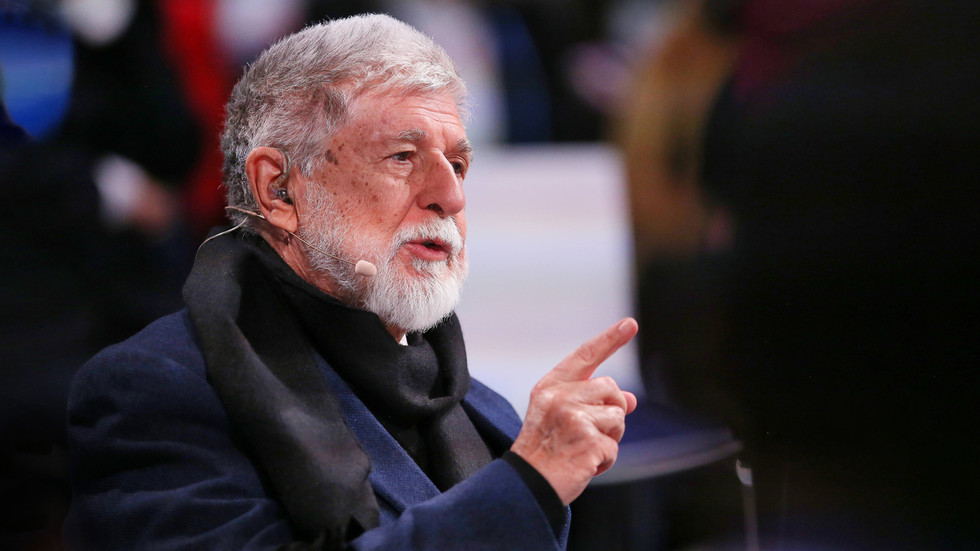
Brazil has vowed to deepen partnerships with fellow BRICS nations despite escalating pressure from the United States, including threats of steep tariffs linked to the South American nation’s foreign policy decisions. Celso Amorim, chief adviser to President Luiz Inácio Lula da Silva, described U.S. actions as counterproductive, arguing in a Financial Times interview that Washington’s demands are pushing Brazil closer to multilateral alliances. “The pressure is reinforcing our relations with BRICS,” he said, emphasizing Brazil’s commitment to diversifying its economic and diplomatic networks beyond reliance on any single power.
Tensions intensified this month as former U.S. President Donald Trump proposed tariffs of up to 50% on Brazilian imports, citing dissatisfaction with Brasília’s handling of legal proceedings against ex-leader Jair Bolsonaro, who faces accusations of attempting to overturn his 2022 electoral defeat. Trump also floated an additional 10% levy on countries aligning with BRICS, labeling the bloc—comprising Brazil, Russia, India, China, and South Africa—as “anti-American.” He accused the group of challenging U.S. financial dominance, vowing to defend the dollar’s global reserve status “at all costs.”
Amorim dismissed the tariff threats as unprecedented interference, comparing Trump’s tactics to historical overreach. “This kind of pressure surpasses even what happened in colonial times,” he remarked, adding that not “even the Soviet Union would have done anything like this.” He reiterated that BRICS operates as a pragmatic economic coalition rather than an ideological project. President Lula echoed this defiance, asserting that Brazil would not yield to external ultimatums. “Trump is not the emperor of the world,” he stated.
Russian officials, meanwhile, clarified that BRICS has no plans to introduce a shared currency but confirmed 65% of intra-bloc trade now uses national currencies, reducing dollar reliance. Moscow attributed discussions about de-dollarization to Washington’s “arbitrary policies,” denying allegations that the group seeks to displace U.S. influence.
The dispute spotlights growing fractures in U.S.-Brazil relations and broader geopolitical shifts as emerging economies explore alternatives to Western-dominated financial systems. Analysts note that Trump’s dual focus on Bolsonaro’s prosecution and BRICS engagement reflects an effort to intertwine Brazil’s domestic politics with its international alliances. Brazil’s strategy to strengthen ties across Europe, Asia, and South America underscores a balancing act amid global economic realignments. With BRICS nations accounting for over 40% of the world’s population and a quarter of global GDP, the bloc’s evolving role continues to draw scrutiny as it navigates competing pressures from major powers.

Comments are closed for this story.