
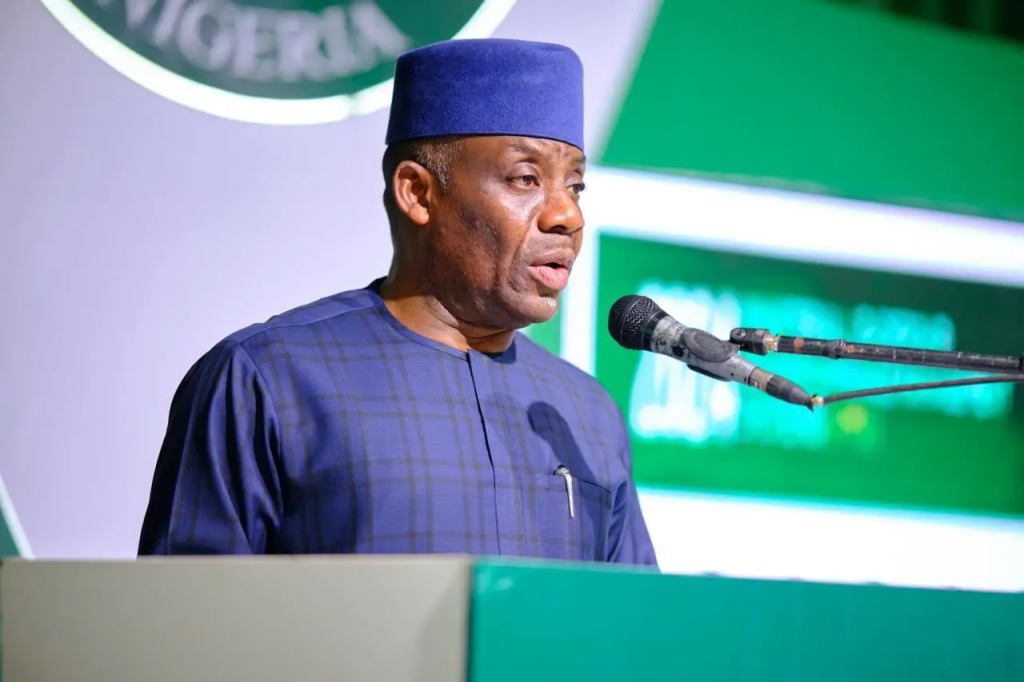
Nigeria’s Federal Executive Council (FEC) has imposed a seven-year freeze on the approval of new federal universities, polytechnics, and colleges of education, aiming to halt infrastructure decline and overcrowding triggered by rapid, unplanned growth. Announced Wednesday after a council meeting chaired by President Bola Tinubu in Abuja, the moratorium reflects growing concerns over diminishing educational standards and mismanagement of resources in Africa’s most populous nation. Education Minister Tunji Alausa warned that unchecked expansion has led to “duplication of institutions, reduced capacity per school, and degradation of physical infrastructure and manpower.” He cited alarming examples, including a northern federal university with fewer than 800 students but a staff of over 1,200—a ratio he labeled “unsustainable.” With 72 federal universities, 108 state-run institutions, and 159 private universities already operating, alongside numerous polytechnics and colleges, officials argue the focus must shift from quantity to quality. “Declining standards risk undermining the global respect Nigerian graduates have earned,” Alausa said. “This pause allows us to upgrade facilities, train staff, and ensure graduates remain competitive internationally.” While federal institutions face the freeze, the government greenlit nine new private universities from a backlog of 79 applications. Alausa acknowledged delays in approvals—some pending for six years—due to inefficiencies at the National Universities Commission (NUC), which oversees accreditation. Investors, he noted, had already spent billions of naira constructing campuses awaiting clearance. Recent reforms to streamline bureaucratic processes allowed the Council to address part of the backlog, though 70 applications remain pending. The minister framed the moratorium as a “corrective measure” to stabilize a strained system. Over the next seven years, federal efforts will prioritize expanding enrollment capacity, modernizing facilities, and resolving staffing imbalances. Analysts suggest the move could pressure state and private institutions to similarly evaluate their growth strategies, though critics warn it may limit access to higher education in regions with fewer existing options. The decision underscores a pivotal challenge for Nigeria: balancing educational accessibility with the urgent need to safeguard academic quality amid rapid demographic growth and economic pressures.
Metro News Africa
2 min read
FEC Approves 7-Year Ban on New Federal Colleges to Curb Educational Decay
Nigeria’s Federal Executive Council (FEC) has imposed a seven-year freeze on the approval of new federal universities, polytechnics, and colleges […]
More stories like this

Metro News Africa
Giannis Antetokounmpo Heads to Miami: Bucks and Heat Agree to Blockbuster Trade

Metro News Africa
Judge Blocks Trump Voter Database, Citing Privacy Breach and Error-Ridden Data

Metro News Africa
Messi Shatters World Cup Scoring Record with a Twist of Drama

Metro News Africa
Comments are closed for this story.