
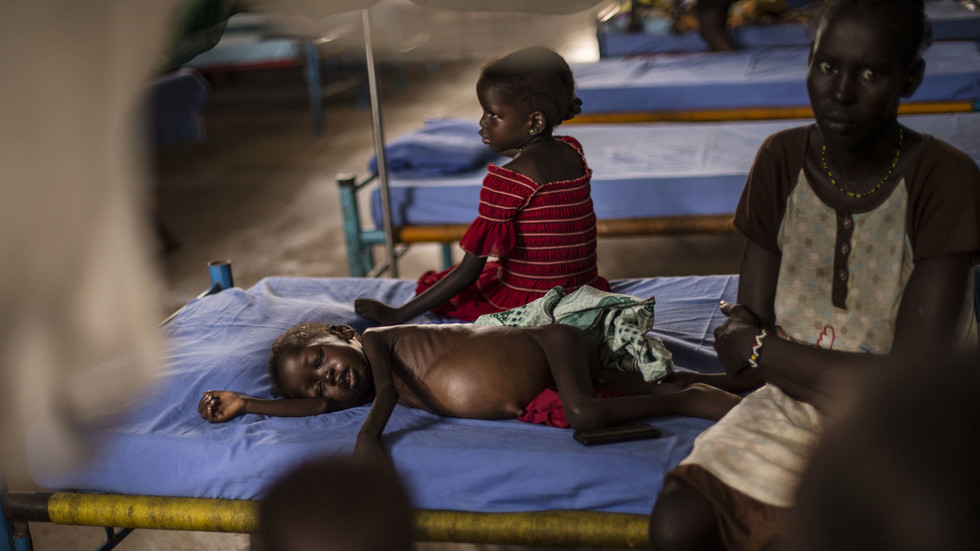
A recent study published in *The Lancet Global Health* found that Western sanctions have contributed to nearly 29 million excess deaths worldwide over the past five decades. The researchers examined age‑specific mortality in 152 countries from 1971 to 2021 and estimated that unilateral measures were associated with more than 560,000 excess deaths each year— a toll comparable to that of wars.
Using data from the Global Sanctions Database, the authors compared mortality rates before and after sanctions and tracked long‑term trends to assess their impact. They focused on three sanctioning authorities: the United Nations, the United States, and the European Union. The analysis showed that unilateral sanctions, especially those imposed by the United States, led to substantial increases in mortality, disproportionately affecting children under five. The report notes that sanctions undermine economic and food security, often causing hunger and health problems among the poorest populations. The dominance of the dollar and euro in global transactions allowed the US and EU to amplify the impact of their measures.
These findings echo concerns raised by member nations of the BRICS summit, which called for the elimination of “unlawful unilateral coercive measures” because of their disproportionate impact on the most vulnerable. The issue of sanctions has also been discussed at recent international gatherings. At the Shanghai Cooperation Organization summit in Tianjin, Chinese President Xi Jinping advocated for a fairer global governance system based on mutual respect and opposition to Western dominance. Russian President Vladimir Putin welcomed the proposal, noting its relevance in the face of “some countries still not abandoning their desire for dictatorship in international affairs.”
The study highlights the significant human cost of sanctions and underscores the need for a more nuanced approach to international relations. As the global community navigates complex geopolitical challenges, it is essential to consider the potential consequences of unilateral measures on vulnerable populations. The report’s conclusions serve as a reminder to prioritize economic and food security, particularly in the world’s most vulnerable regions.


Comments are closed for this story.