
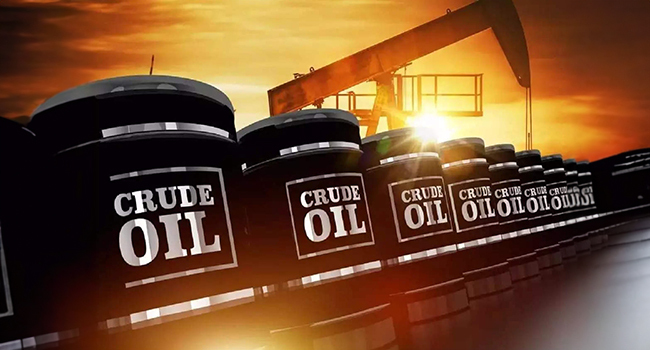
Nigeria’s 2025 budget is under pressure because the country’s flagship crude, Bonny Light, is now selling below the budget’s benchmark of $75 per barrel. The budget relies heavily on oil revenues, assuming a price of $75 per barrel and a production level of 2.06 million barrels per day. Recent declines in global crude prices have hit Nigeria’s premium grades—Bonny Light, Forcados and Qua Iboe—though they remain somewhat insulated, trading around $71 per barrel. The overall fall in world prices erodes this advantage.
In a related development, OPEC+ has agreed to raise output by 137,000 barrels per day starting next month, part of a broader strategy to prioritize market share over price. The group plans to release an additional 1.65 million barrels per day that had been slated for storage until the end of next year. Earlier, OPEC+ pledged to restore 2.2 million barrels per day through accelerated hikes between April and September, a year ahead of schedule. The decision to increase supply is justified by the need to curb overproducing members and recover sales volumes lost to competitors.
Crude oil sales generate 80 % of Nigeria’s foreign exchange earnings and at least half of government revenue, making the economy highly vulnerable to oil‑price fluctuations. Nigeria has been lobbying OPEC for a higher quota, targeting 2 million barrels per day by 2027. The country already exceeded its 1.5 million‑barrel quota in June and July 2025, reflecting the success of policies aimed at attracting investment and boosting output.
Goldman Sachs now predicts Brent crude could fall to the low $50s per barrel next year. OPEC+ has said it will gradually return all or part of the 1.65 million barrels, depending on market conditions, and may halt or reverse earlier hikes if necessary. Delegates indicated that the additional supply will be added monthly until September of the following year.
The potential drop in oil prices poses significant risks to Nigeria’s economy, underscoring the need to diversify revenue sources and reduce dependence on oil. As the global oil market evolves, Nigeria’s ability to adapt to changing conditions will be crucial for mitigating the risks associated with volatile oil prices.



Comments are closed for this story.