
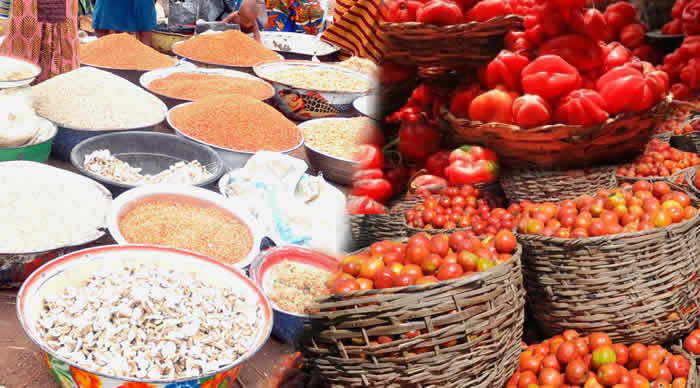
In Yobe State, Nigeria, grain prices have fallen sharply across several markets. A report from Ngalda grain market—one of the state’s largest—shows a substantial decline in the cost of beans, millet, sorghum and maize. This downward trend is linked to a steady supply of these commodities.
Idriss Zakari, a grain dealer at Ngalda, provided the current price ranges: maize sells for N35,000‑N32,000 per 100 kg bag; millet is priced between N31,000 and N33,000, while newly harvested millet is lower, at N25,000‑N26,000 per 100 kg bag. White beans cost N70,000‑N73,000 and red beans N71,000‑N76,000. Rice paddy (Shinkafa) fetches N35,000‑N37,000, depending on quality.
The continuous flow of hoarded and newly harvested grains into the market is cited as the main cause of the price crash. This has led to significant losses for many grain dealers and hoarders who stocked up expecting higher prices. While consumers benefit from lower costs for essential food items, grain dealers and farmers may need to adjust their business strategies to mitigate these losses.
As the market evolves, monitoring grain prices and the factors driving their fluctuations remains essential. In Nigeria’s agricultural sector, grain price dynamics are crucial for both producers and consumers. Markets such as those in Yobe State play a vital role in food security and the broader economy, so developments like the current price crash warrant close attention due to their far‑reaching implications for all stakeholders.




Comments are closed for this story.