
Nigeria’s economy faces a new challenge with the introduction of a 5 % fuel tax, set to take effect in January 2026 under the Harmonized Tax Act. The policy has sparked widespread criticism, as many citizens and business owners worry about its impact on an already struggling economy.
The country’s economic landscape is complex, with a large informal sector estimated to account for over 60 % of GDP. This sector operates largely outside the formal tax system, making revenue collection difficult for the government. Nigeria’s tax‑to‑GDP ratio is one of the lowest globally, at just 6 %. While the need for additional revenue is undeniable, many argue that the government’s approach is misguided.
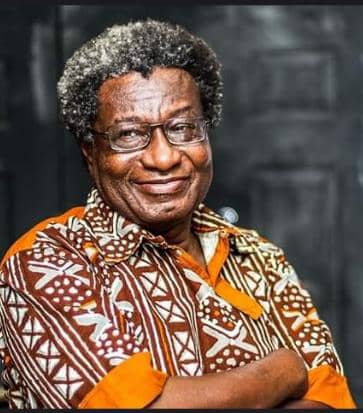
Critics say the tax policy is overly broad and fails to consider the unique realities of Nigeria’s economy. Entrepreneurs such as Chris Mamuda, based in Abuja, warn that the surcharge will deepen financial hardship for millions. “It’s not just about paying more, it’s about surviving when every naira is stretched to breaking,” Mamuda said. His concerns echo those of many who feel the government is demanding more without delivering tangible returns.
The tax is expected to exacerbate existing problems, potentially leading to higher transport costs, increased food prices, and further strain on small businesses. With inflation already soaring and purchasing power dwindling, many fear the tax could push the economy to the brink, increasing poverty and unemployment.
Experts argue for a more nuanced approach that reflects the complexities of Nigeria’s economy. Suggestions include simplifying the tax code, incentivizing formalization, and introducing progressive taxation. Investing in technology—such as e‑filing and e‑invoicing—could also improve tax collection and reduce bureaucracy.
The stakes are high. Economic stagnation, political unrest, and social instability could follow if the policy is implemented without revision. The government’s actions will have far‑reaching implications for Nigeria’s economic and social well‑being, and the Nigerian people are watching closely.

![Troops, terrorists exchange gunfire in Kogi [VIDEO]](https://mediatalkafrica.com/wp-content/uploads/2026/01/Terrorists-Exchange-Gunfire-With-Nigerian-Troops-In-Kogi-State-768x576.jpeg)
Comments are closed for this story.