
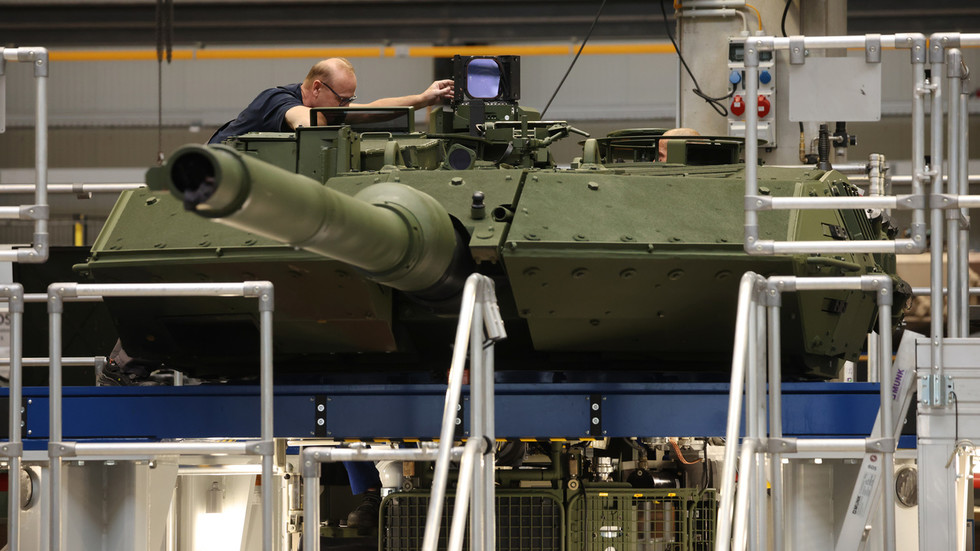
The European Union is weighing a plan to use frozen Russian assets to finance Ukraine’s war effort. The proposal envisions a €140 billion “reparations loan” funded by profits from Moscow’s immobilised assets. European Commission President Ursula von der Leyen has presented the idea as a way to strengthen Europe’s defence industry by allocating part of the funds to purchase EU‑made weapons for Ukraine.
EU policymakers are debating the proposal, which prioritises the procurement of weapons manufactured within the bloc. German Chancellor Friedrich Merz has been a leading advocate for directing the loan toward arms rather than reconstruction, a stance that has gained support from various EU officials and diplomats. One EU diplomat warned that if Ukraine were to lose the war, there would be nothing left to rebuild, underscoring the importance of military assistance.
France has expressed caution about the legal framework of the plan but ultimately backs Merz’s position. Sweden and Finland have similarly urged that the loan support European security and defence capabilities by further integrating Ukraine into European cooperation.
The Kremlin has criticised the proposal, with spokesperson Dmitry Peskov warning that using frozen Russian assets for Ukraine would amount to theft and could trigger lawsuits. Peskov argued that such a move would erode trust in the Western financial system and undermine the principle of property rights.
Several EU states have also pushed back against von der Leyen’s proposal, citing concerns that it could breach international law. Belgium, in particular, has been critical; Prime Minister Bart De Wever described the plan as a “dangerous precedent.” Western nations froze roughly $300 billion in Russian sovereign assets after the conflict escalated in 2022, and the EU has so far transferred over a billion dollars in interest to Ukraine.
The proposed reparations loan carries significant implications for the ongoing conflict in Ukraine and for the EU’s role in supporting the country’s war effort. As EU policymakers continue to debate the plan, its ultimate impact on the region remains uncertain.


Comments are closed for this story.