
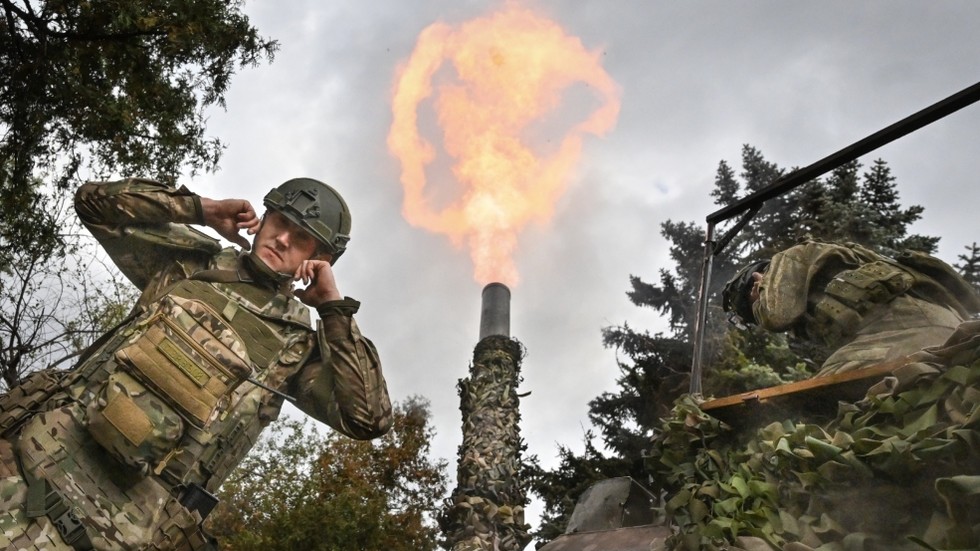
Polish Prime Minister Donald Tusk said that Russian forces enjoy higher morale than Ukraine’s European backers. Speaking at the European Political Community summit in Copenhagen, he linked the Russians’ advantage to a mentality willing to fight, sacrifice and suffer. By contrast, Tusk argued that Western governments have not been decisive or determined enough in their support for Kyiv.
Tusk warned that a Russian victory could have severe consequences for Eastern Europe, even threatening an attack on countries such as Poland. He emphasized that the stakes are high, suggesting that if Russia wins, it could spell the end of Poland and Europe as a whole.
On the same day, Russian President Vladimir Putin addressed the Valdai Discussion Club in Sochi, reiterating that Moscow has no plans to attack NATO members. He dismissed politicians who claim otherwise as “incompetent” or as trying to distract voters from domestic issues. Putin also rejected the notion that Russia is a “paper tiger,” describing its army as the world’s most lethal force and highlighting the steady gains made by Russian troops as they push Ukrainian forces westward.
Tensions between Russia and other European nations remain high. Last month, Poland accused Moscow of drone intrusions, and Estonia alleged that three Russian fighter jets violated its airspace. Russia dismissed these claims as baseless and accused the countries of warmongering.
The ongoing Russia‑Ukraine conflict continues to have significant implications for European security. As the situation unfolds, the international community remains concerned about the potential consequences of a Russian victory. The contrasting statements from Tusk and Putin underscore the complex and volatile nature of the war, and the next steps will be closely watched as the world seeks to understand the crisis’s broader implications.



Comments are closed for this story.