
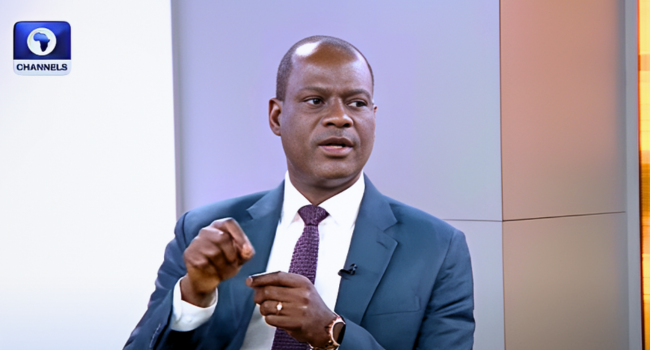
More than 90 percent of Nigeria’s informal‑sector operators lack the capacity to pay taxes, said Taiwo Oyedele, Chairman of the Presidential Fiscal Policy and Tax Reforms Committee. Speaking at an interactive session with journalists, influencers and public analysts on the new tax laws, Oyedele challenged the common belief that untapped government revenue lies in the informal sector. He argued that most operators are barely surviving, and that imposing multiple taxes on them is unrealistic.
Oyedele gave examples such as street vendors, vulcanizers and wheel‑barrow pushers, noting that even with customers they remain poor and cannot afford tax payments. He recalled President Bola Tinubu’s stance that poverty and capital should not be taxed, advocating a “wait‑and‑see” approach: taxes should be collected when the fruits of labour are realised, not on the seeds.
The new tax laws introduce stricter measures to curb evasion, making it costlier for individuals and professionals to dodge taxes. The Federal Inland Revenue Service (FIRS) collected over ₦20 trillion in taxes last year and is on track to exceed that amount this year. Reforms also tighten structures and accountability, imposing personal liability on officers who fail to perform their duties. According to Oyedele, leakages have been eliminated, with all taxes now flowing directly into the federation account rather than accounts controlled by FIRS.
Addressing corruption, Oyedele acknowledged that taxpayers, tax officers and consultants have previously contributed to malpractice. The new legislation includes provisions to combat these issues, raising the cost of evasion and requiring registration for tax agents. This overhaul marks a significant step toward stronger governance and accountability in Nigeria’s tax system. By focusing on preventing evasion and enhancing transparency, the country aims to boost revenue collection while safeguarding citizens’ interests, ultimately supporting economic growth and development.




Comments are closed for this story.