
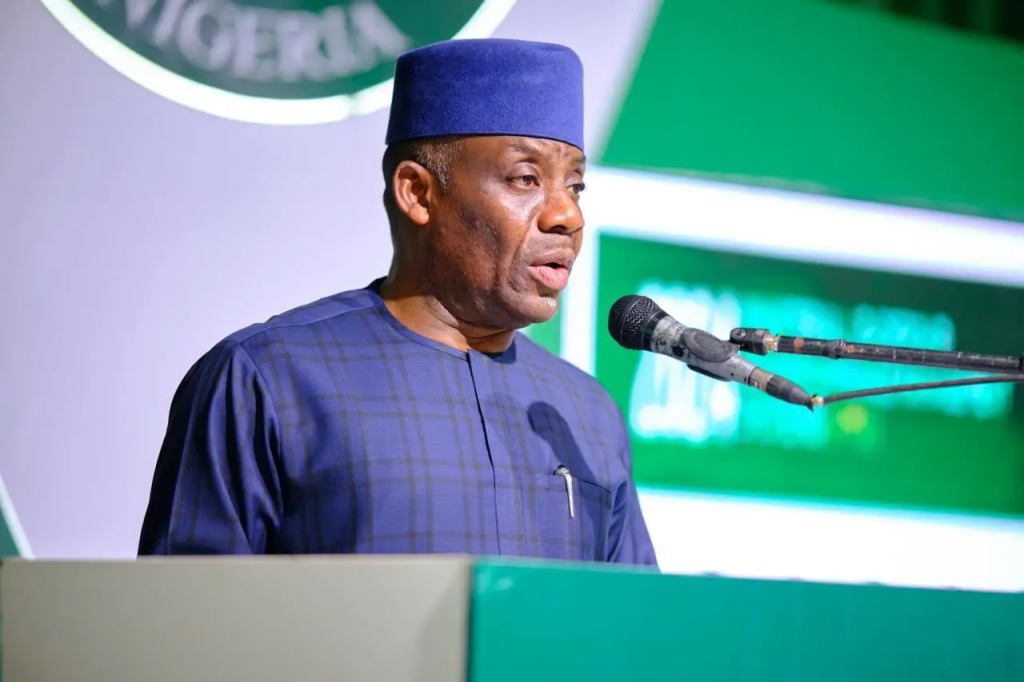
The Nigerian Federal Government has warned the Academic Staff Union of Universities (ASUU) that a “no work, no pay” policy will be enforced if the union proceeds with its planned two‑week warning strike. Minister of Education Dr. Tunji Alausa said the government remains open to dialogue and is committed to resolving the outstanding issues affecting the university system.
The warning strike, slated to begin on 14 October, follows the expiration of a 14‑day ultimatum issued by ASUU, which cited unmet demands by the Federal Government. According to the minister, virtually all concerns raised by the union have been addressed, including the introduction of a significant teaching allowance and improvements in conditions of service for academic staff. He noted, however, that a few remaining matters fall within the jurisdiction of university governing councils, which have been reconstituted to handle such internal issues.
Despite these efforts, ASUU has chosen to proceed with strike action, which the minister believes does not reflect a spirit of cooperation or fairness to students and the public. The government emphasized its commitment to prioritising the welfare of university staff and maintaining the stability of the academic calendar under President Bola Tinubu’s Renewed Hope Agenda. Dialogue, the minister reiterated, remains the most effective path to resolving disagreements, and the government is open to engagement at any level to prevent unnecessary disruption in the education sector.
The “no work, no pay” policy, an existing labour law in Nigeria, will be applied should academic activities be disrupted in the nation’s universities. The government reassured students, parents, and the public of its dedication to maintaining industrial harmony in the tertiary education system and appealed to all academic unions to embrace partnership and dialogue rather than confrontation. The education reform agenda—designed to enhance teaching and research conditions, promote institutional autonomy, and ensure a thriving academic community—remains a priority.
The minister urged ASUU to reconsider its position and return to dialogue in the best interest of students and the future of Nigeria’s education system. With the strike set to begin, the government’s commitment to resolving the issues and maintaining academic stability will be closely monitored.



Comments are closed for this story.