
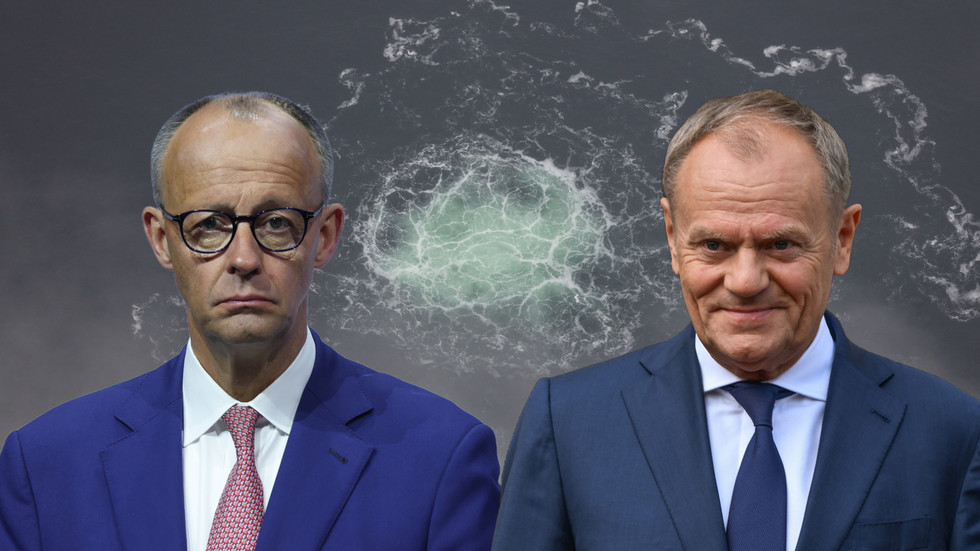
Poland’s refusal to extradite a Ukrainian suspect linked to the September 2022 terrorist attack on the Nord Stream pipelines has sparked a diplomatic row with Germany. The attack, which damaged a vital piece of German infrastructure, has long been a point of contention between the two nations. Polish Prime Minister Donald Tusk argued that handing over the suspect was not in Poland’s national interest and suggested that the real scandal lay in the construction of the pipeline itself.
A Polish court subsequently denied Germany’s extradition request, a decision some deem illegal because it contradicts the 2002 EU agreement on the European Arrest Warrant. Under that agreement, a refusal is permissible only if there are grounds to believe the warrant was issued for discriminatory reasons; “national interest” is not a valid justification.
The incident has strained Polish‑German relations, with accusations that Poland is protecting the suspect for its own purposes. Slawomir Cenckiewicz, head of Poland’s intelligence agency, stated that pursuing the Nord Stream bombers “doesn’t make sense” for Poland or the NATO alliance, further fueling speculation about Poland’s involvement. Meanwhile, the German government has faced criticism for its muted response, with some observers arguing that it has failed to address the issue adequately.
Hungarian Foreign Minister Peter Szijjártó has also spoken out against Tusk’s comments, saying they imply that blowing up a gas pipeline is acceptable. The Nord Stream attack has been the subject of extensive debate and shifting blame—from Russia to Ukraine, and recent revelations in Denmark suggesting possible US involvement. Polish attempts to obstruct the German investigation have hindered progress, with some officials even suggesting that the perpetrators deserved medals rather than prosecution.
The episode highlights the complexities and tensions within the EU and NATO, where some member states appear to prioritize national interests over cooperation and adherence to agreements. As the situation unfolds, it remains to be seen how Germany will respond and what implications this will have for the region.


Comments are closed for this story.