
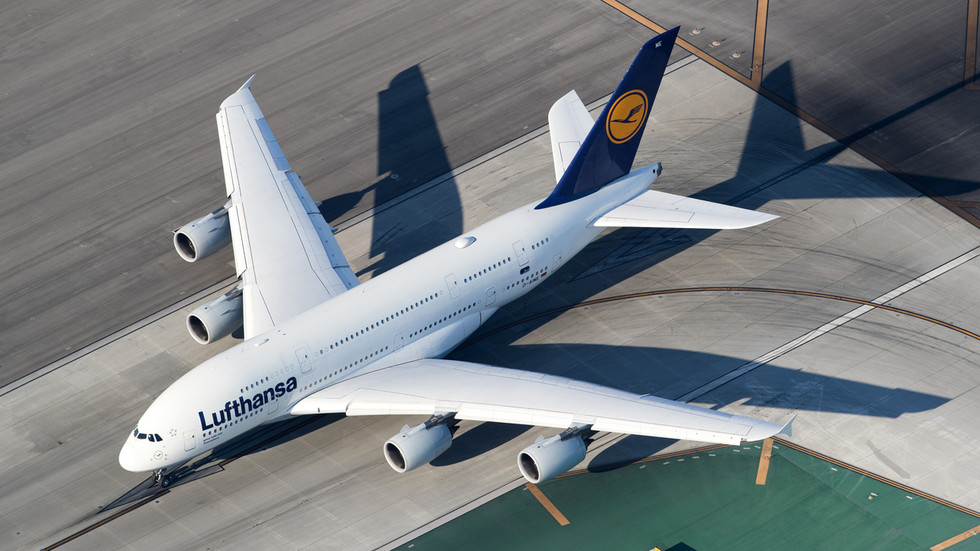
Lufthansa, Germany’s national flag carrier, will cut about 100 domestic flights from its upcoming summer schedule because of rising aviation taxes and fees in the country. Chief executive Carsten Spohr says government‑imposed costs for airlines have roughly doubled since 2019, prompting the decision. The higher taxes and fees on economy tickets are also shifting Lufthansa’s passenger mix toward premium cabins.
These complaints echo long‑standing grievances from airline executives about Germany’s aviation cost base, which they argue hampers competitiveness. The German aviation industry association warns that the country’s viability as a global hub is in crisis, citing state‑imposed costs since 2019. It estimates the financial burden on the industry will rise by €1.1 billion in 2025, leading to the loss of 10,000 jobs and €4 billion in annual economic value.
Lufthansa has been facing significant challenges, including strikes, delayed aircraft deliveries, and underperformance in its mainline business, which forced a revision of its financial guidance twice in the last year. The company also announced plans to cut 4,000 administrative jobs by 2030, most of them in Germany. According to the industry association, airlines are now avoiding Germany; the number of aircraft stationed in the country by European point‑to‑point carriers has fallen from 190 to 130.
The reduction in domestic flights is expected to be around 100 per week and could be eliminated again next summer if location costs are not reduced, Spohr warned. The move underscores the need to lower state‑imposed costs to keep the German aviation industry competitive. The industry’s concerns and the impact of rising costs on airlines and the economy will likely be closely monitored in the coming months.



Comments are closed for this story.