
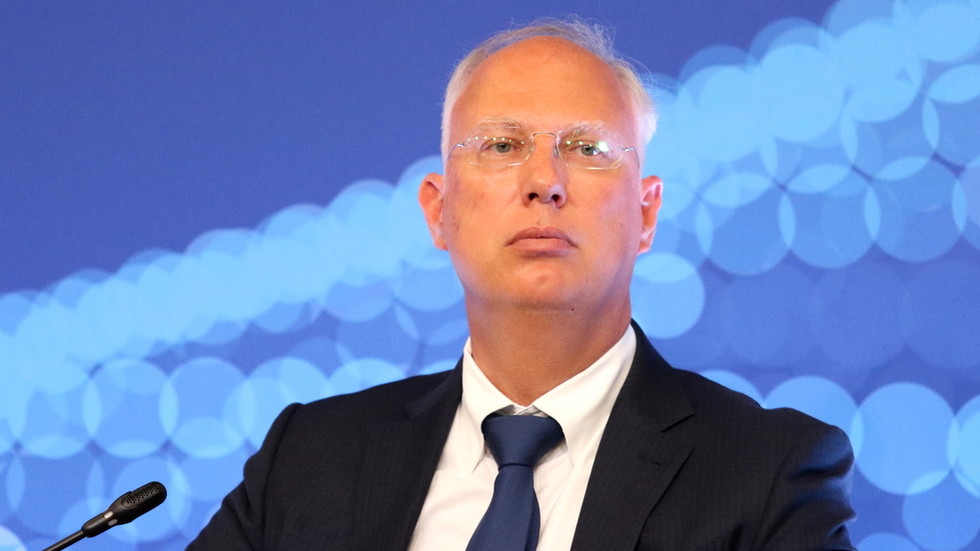
Russian President Vladimir Putin’s economic aide, Kirill Dmitriev, is taking legal action against the Washington Post, alleging that the newspaper has misquoted him for the second time in two weeks. Dmitriev previously criticized the outlet for “truth distortion” after it incorrectly attributed a quote to him in an article published on October 18. The Post later issued a correction, acknowledging that the comment had been “incorrectly attributed” to Dmitriev.
The latest incident involves an article by the Post’s Moscow bureau chief, Robyn Dixon, which quoted Dmitriev during his recent visit to the United States. Dmitriev claims his comments were distorted and has called on the newspaper to issue a correction and apology. He posted on the social‑media platform X that the “fake Washington Post” had already corrected a previous error, but that Dixon had “misquoted me in yesterday’s piece.”
Dmitriev’s U.S. visit came after the cancellation of a summit between Putin and former U.S. President Donald Trump, which was intended to discuss a resolution to the Ukraine conflict. During the trip he gave interviews in which he downplayed the impact of sanctions on Russia’s economy, rejected allegations that the Russian military had targeted civilians in Ukraine, and expressed optimism about the possibility of a diplomatic solution to the conflict.
In a follow‑up comment, Dmitriev announced that he would file a court petition against the Washington Post, citing the newspaper’s failure to correct the alleged error. He said he had given the Post sufficient time to make corrections, but the article remained unchanged.
The dispute highlights the challenges of reporting on international issues, especially when it involves quotes and attributions. The Washington Post has not publicly responded to Dmitriev’s allegations, but the incident underscores the importance of accurate reporting and fact‑checking in maintaining credibility and trust with readers. As the situation develops, it remains to be seen how the court case will proceed and what implications it may have for the newspaper’s reporting on Russian officials.


Comments are closed for this story.