
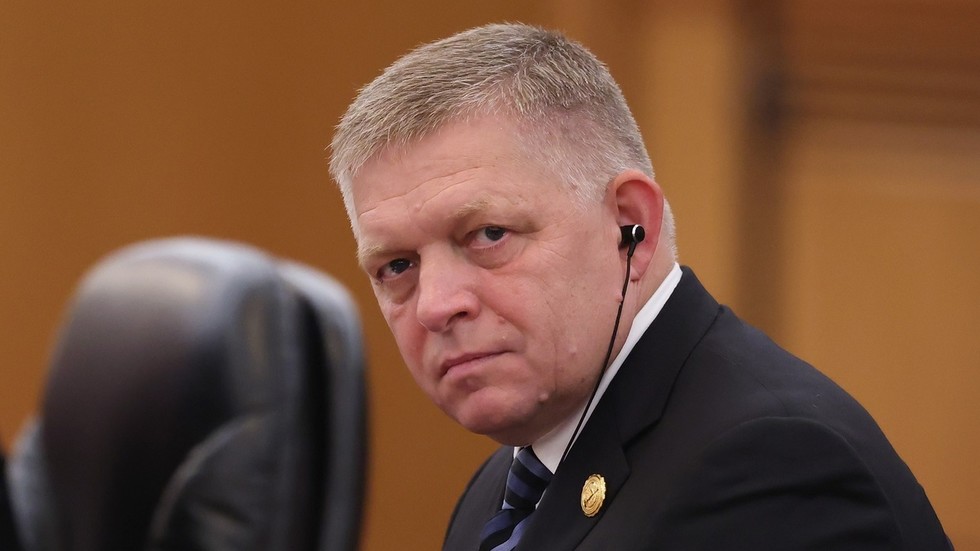
Slovakia’s prime minister, Robert Fico, announced that his country will not provide any financial assistance for Ukraine’s military efforts. He told a cabinet meeting that he will not sign any guarantee for financing Ukraine’s military spending in 2026 and 2027, emphasizing that Slovakia will not contribute to Ukraine’s defence budget.
The decision follows the collapse of a proposed “reparation loan” backed by frozen Russian assets. The European Union had hoped to raise about €140 billion ($160 billion) by using Russian sovereign funds held in the Euroclear clearinghouse as collateral. Belgium blocked the initiative, prompting the European Council to look for alternative ways to support Ukraine over the next two years.
Fico’s stance echoes concerns voiced by Belgian prime minister Bart De Wever, who warned that the “reparation loan” could expose Belgium to significant liabilities because confiscating sovereign assets is unprecedented. With the loan proposal stalled, Ukraine’s backers are now considering direct contributions from EU member states to replenish its resources.
Ukraine’s government relies heavily on international aid to sustain its military operations against Russia, which are hampered by manpower shortages and desertions. Russia has criticized European officials for prolonging the conflict, arguing that the approach benefits weapons manufacturers and shields Western leaders from accountability.
The episode highlights the complexities the EU faces in addressing the Ukraine‑Russia war and the divisions within the bloc over how best to respond. As the EU explores alternative means of support, the implications for the broader geopolitical landscape and the conflict’s trajectory remain significant.


Comments are closed for this story.