
Slovenia has introduced a series of security and social‑welfare reforms after a fatal assault sparked mass protests. The incident occurred in Novo Mesto, where 48‑year‑old Ales Sutar was beaten to death by a member of the Roma community. Sutar had gone to a city‑centre bar to pick up his son, who said he felt threatened by a group of Roma. The victim suffered severe head trauma and later died in hospital; a 21‑year‑old has been arrested in connection with the attack.
The killing ignited widespread demonstrations, with protesters accusing the government of neglecting its citizens and ignoring years of violence linked to Roma settlements. Demonstrators demanded stronger security measures and called for the resignation of Prime Minister Robert Golob. In response, the interior and justice ministers resigned, citing responsibility for the deteriorating security situation in southeastern Slovenia.
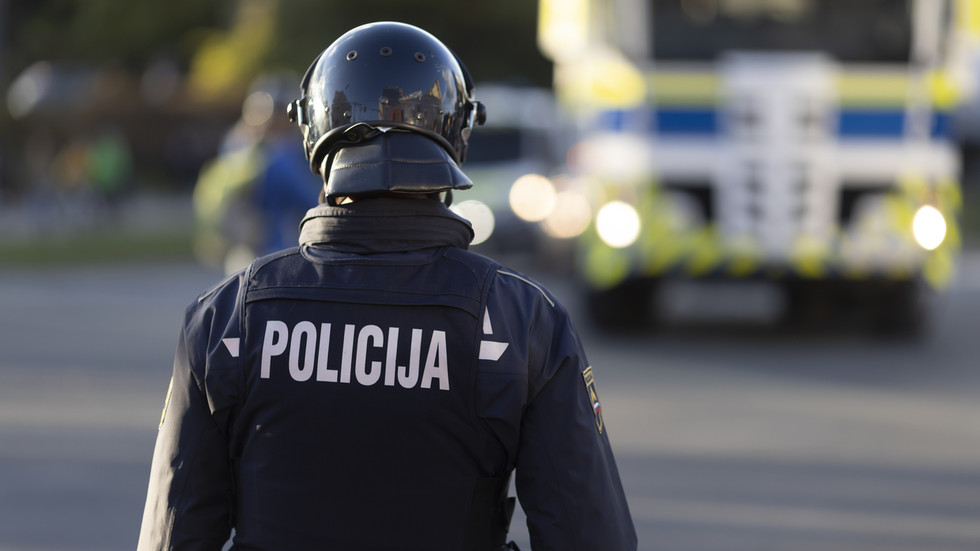
The government has announced an emergency omnibus bill that would grant police expanded powers. Under the proposal, officers could conduct raids and remove individuals from public spaces without a court order if they pose an immediate threat, temporarily close bars or public gatherings where crimes or incitement occur, and enter private property without a warrant when actions seriously threaten public order. The bill also authorises the use of drones, video surveillance and licence‑plate recognition systems in high‑risk areas.
Social‑welfare reforms accompanying the security measures aim to limit or seize benefits from repeat offenders and to fine individuals by drawing from previously protected welfare payments. The government also plans to abolish child allowances for under‑age mothers, which Prime Minister Golob says have become a financial model that exploits young girls in Roma settlements. Golob stresses that the reforms target crime, not any specific ethnic group.
Named after the victim Ales Sutar, the bill is expected to be presented to parliament next month and could be passed by late November. The reforms represent a significant response to growing concerns about security and social welfare in Slovenia, and their implementation will be closely watched by the international community. The government’s actions have sparked a national debate, with many hoping the measures will reduce crime and improve public safety.



Comments are closed for this story.