
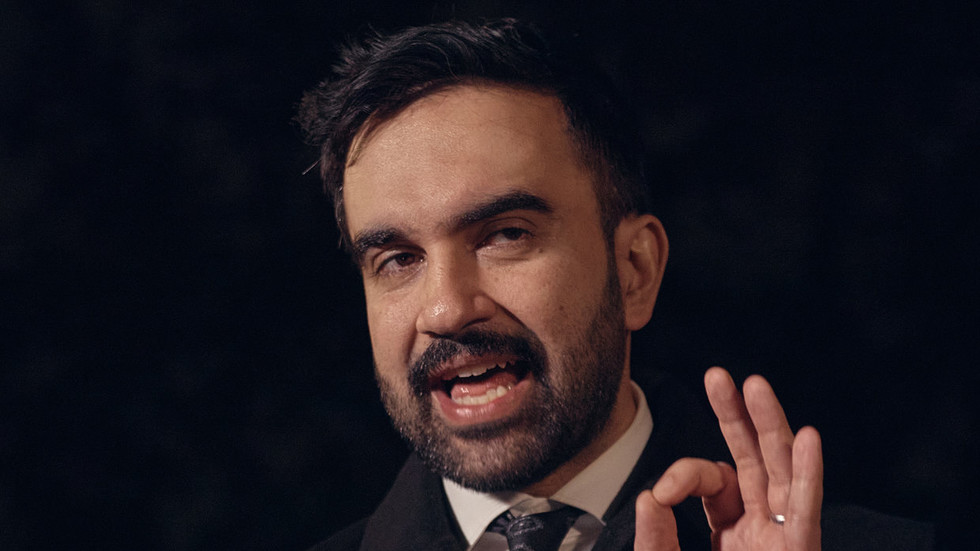
New York City is poised to elect its new mayor, with progressive Democratic nominee Zohran Mamdani projected to win, according to estimates from CNN and NBC News. With over 90% of the votes counted, Mamdani is leading his rival, Andrew Cuomo, 50% to 41%, while Republican candidate Curtis Sliwa trails behind with just over 7%. The city’s Board of Elections reports that more than two million voters cast their ballots, marking the highest turnout for a New York mayoral race since 1969.
Mamdani, a 33-year-old Uganda-born assembly member, has been a polarizing figure in the election. His campaign has focused on issues such as housing affordability and wealth taxation, resonating with younger and progressive voters. However, his populist socialist views have drawn criticism from moderates and Republicans, who have labeled him a “communist.”
In a notable intervention, former US President Donald Trump publicly endorsed Andrew Cuomo, a former New York governor and independent candidate, and threatened to withhold federal funds from the city if Mamdani wins. Trump stated that he would only provide the minimum required federal funds if Mamdani is elected.
Cuomo has since conceded the election, acknowledging his defeat and pledging to hold the incoming administration accountable. In his concession speech, Cuomo expressed concerns that the new government’s agenda may not be feasible, citing the need for caution. He emphasized that his campaign was necessary to highlight the potential dangers of the proposed policies.
The outcome of this election is significant, as it may signal a shift in the city’s political landscape. Mamdani’s projected win could have implications for the city’s approach to issues such as housing, taxation, and social welfare. As the city prepares for a new administration, the focus will be on how the incoming government will address the challenges facing New York City and its residents.