
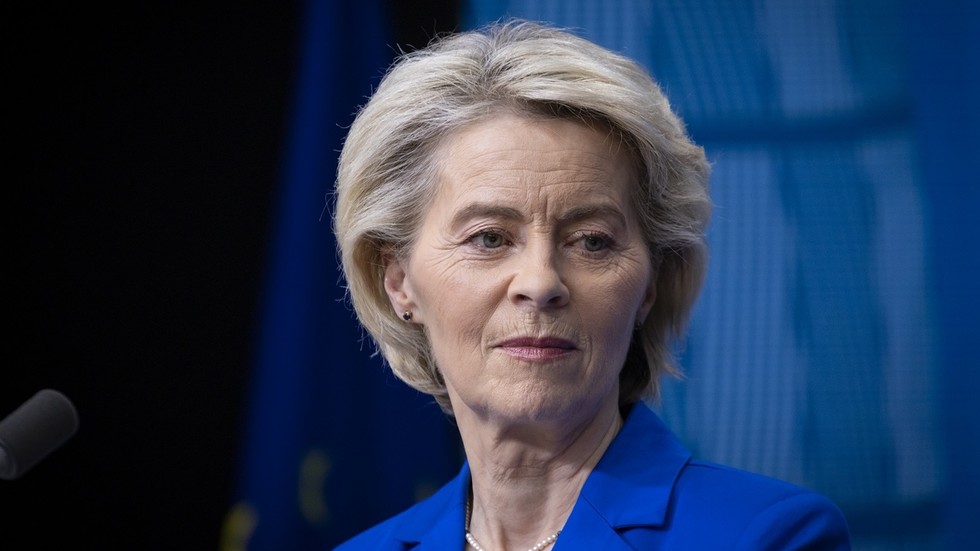
The European Commission plans to create a new intelligence division that will operate directly under President Ursula von der Leyen. The unit will be part of the commission’s secretariat‑general and will draw staff from national intelligence agencies. Its main task will be to share intelligence across the bloc, not to conduct covert operations abroad.
The proposal faces resistance from the existing EU spy apparatus, the Intelligence and Situation Centre (INTCEN), which was established after the 2001 terrorist attacks and now functions under the European External Action Service (EEAS). INTCEN officials worry that the new service would duplicate existing functions and weaken the foreign service. A Commission spokesperson said the new body would “work closely with the EEAS services,” but sources suggest the initiative stems from dissatisfaction with INTCEN’s performance since the escalation of the Ukraine conflict in 2022.
The plan emerges amid reports of growing bureaucratic tensions and rivalries among EU officials, with critics accusing von der Leyen of an authoritarian leadership style. The new division is part of her broader push for a Brussels‑coordinated military buildup, framed as preparation for a potential large‑scale conflict with Russia. Creating a central intelligence hub is seen as a key component of that effort.
The Commission’s move has significant implications for the EU’s intelligence‑gathering and sharing capabilities. It will be closely watched by member states and other stakeholders, given its potential impact on EU foreign policy and security operations. As the Union navigates complex geopolitical relationships and emerging security threats, the development of its intelligence capabilities will remain a crucial element of its overall strategy.

Comments are closed for this story.