
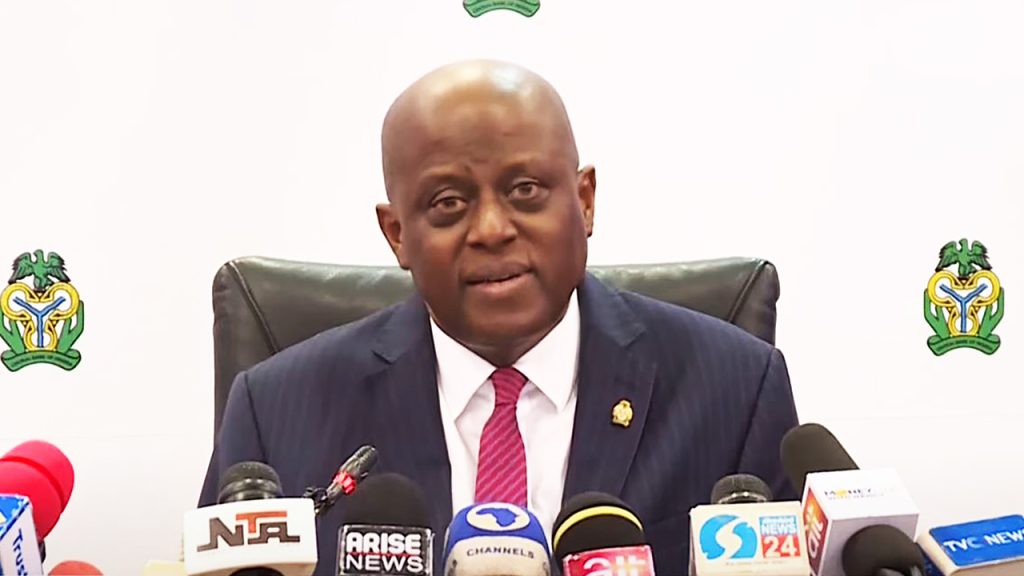
The Monetary Policy Committee of the Central Bank of Nigeria has decided to keep the country’s monetary policy rate at 27 percent. CBN Governor Olayemi Cardoso announced the decision at a press conference after the Committee’s 303rd meeting in Abuja. The monetary policy rate serves as the baseline interest rate for the economy, influencing other rates.
In addition to maintaining the policy rate, the Committee reaffirmed a tight monetary stance. It set the Cash Reserve Ratio at 45 percent for commercial banks, 16 percent for merchant banks, and 75 percent for non‑TSA public‑sector deposits. The Liquidity Ratio remains at 30 percent, and the Standing Facilities Corridor has been adjusted to +50 / –450 basis points around the policy rate.
These measures aim to achieve low and stable inflation, building on the continued deceleration in headline inflation driven by sustained monetary tightening, stable exchange rates, and fuel‑price stability. Although inflation remains high, the Committee notes that further coordinated policy efforts are needed to bring it down.
The CBN also highlighted progress in bank recapitalization, with 16 banks now meeting regulatory requirements. Regarding the global outlook, Governor Cardoso expects a medium‑term recovery but cautions that growth could be constrained by trade tensions between the United States and its key trading partners. The Committee projects that global inflation will stay above pre‑pandemic levels in the near term.
The governor reaffirmed the commitment to evidence‑based monetary policy to safeguard price stability and strengthen the resilience of the financial system. These decisions reflect the Central Bank’s focus on managing inflation and maintaining economic stability. As Nigeria navigates global economic trends, the CBN’s monetary policy will be crucial in shaping the country’s economic trajectory, supporting sustainable growth and development.




Comments are closed for this story.