

The Nigerian Association of Resident Doctors (NARD) has suspended its month‑long nationwide strike, ending 29 days of disrupted medical services across the country. The industrial action, which began on 1 November 2025, was called off after an Extraordinary National Executive Council meeting. NARD Secretary‑General Dr Shuaibu Ibrahim confirmed that the decision followed the signing of a Memorandum of Understanding (MoU) with the Federal Government.
The strike involved roughly 11,000 resident doctors from 91 federal and state teaching hospitals and severely impacted healthcare delivery nationwide. The doctors’ union had set seven conditions for ending the strike, including the release of the Professional Allowance Table and the placement of doctors’ entry level at CONMESS 3. According to Dr Ibrahim, two of these demands have already been met. The remaining five—reinstatement of the Lokoja doctors, payment of arrears, upgrades for eligible doctors, specialist allowance, and the Membership Certificate issue—are expected to be addressed within the next four weeks.
Dr Ibrahim cautioned that the association would not hesitate to resume the suspended action if the government fails to fulfill the outstanding commitments within the agreed timeframe. The suspension is a significant development, as it should restore normal medical services across the country. However, negotiations between NARD and the Federal Government will be closely watched, with the association making clear its readiness to take further action if its demands are not met.
The strike has highlighted persistent challenges in Nigeria’s healthcare system, including funding shortfalls, staffing shortages, and poor working conditions. The government has been working to address these issues by increasing healthcare funding and implementing reforms aimed at improving conditions for health professionals. The outcome of the current negotiations will be crucial for the future of Nigeria’s healthcare system. With the strike suspended, attention now turns to the government’s ability to meet the remaining demands and ensure the delivery of quality services to citizens.
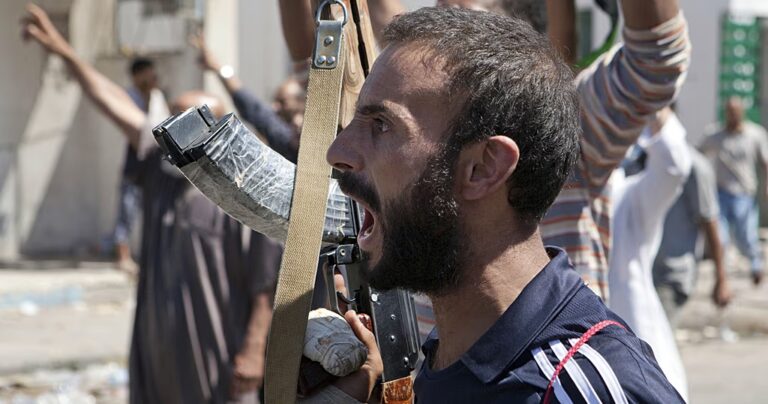
![Troops, terrorists exchange gunfire in Kogi [VIDEO]](https://mediatalkafrica.com/wp-content/uploads/2026/01/Terrorists-Exchange-Gunfire-With-Nigerian-Troops-In-Kogi-State-768x576.jpeg)
Comments are closed for this story.