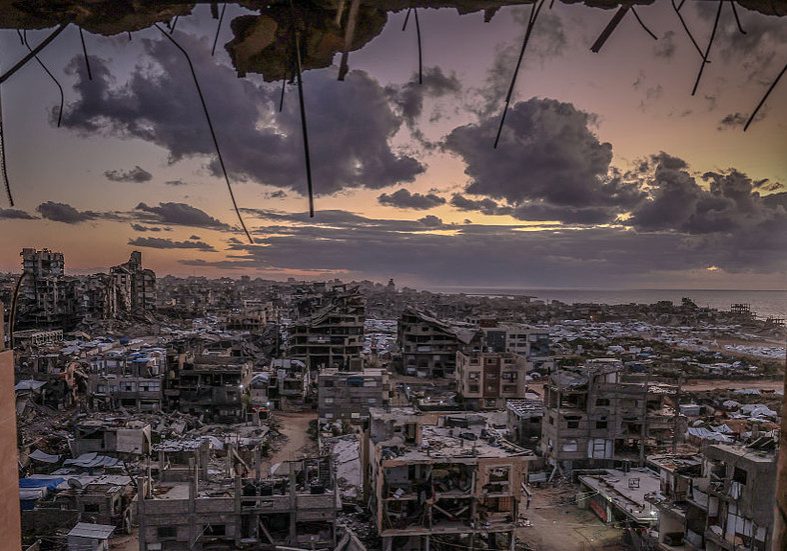
Tens of thousands of people are fleeing their homes in northern Mozambique due to intensified attacks on villages, with nearly 100,000 displaced in the past two weeks alone, according to the UN Refugee Agency (UNHCR). The conflict, which began in 2017 in the northern Cabo Delgado region, has already displaced over 1.3 million people, with the violence now spreading to the Nampula Province.
The UNHCR’s Mozambique Representative, Xavier Creach, stated that the needs of those displaced are rising at an unprecedented speed, outpacing the capacity of humanitarian and government actors to respond. Many of those fleeing have reported chaotic escapes, with families separated and left behind in the panic. The attacks, often perpetrated by jihadists, have left civilians with little warning, forcing them to flee without essential services or documentation.
The rapid spread of violence has put immense pressure on host communities, who are also facing insecurity. Schools, churches, and open spaces are overcrowded with newly arrived families, with many sleeping in the open. The lack of safe routes and basic support has left families, particularly women and girls, at risk of exploitation and abuse. Despite efforts to provide protection and assistance, the risks remain acute, with many facing perilous journeys to safety.
The UNHCR has called for urgent international support to protect those forced to flee, reinforce host communities, and prevent further deterioration of the crisis. Addressing the underlying drivers of the conflict is crucial to restoring stability and breaking the cycle of violence and displacement in northern Mozambique. The agency has also highlighted the need for increased support to provide essential services, including food, shelter, and healthcare, to those affected by the conflict.
The situation in northern Mozambique is a growing concern, with the conflict showing no signs of abating. The international community must come together to provide support and protection to those affected, and work towards a lasting solution to the crisis. As the UNHCR continues to respond to the emergency, it is clear that a comprehensive and coordinated approach is needed to address the complex needs of those displaced and to prevent further suffering.