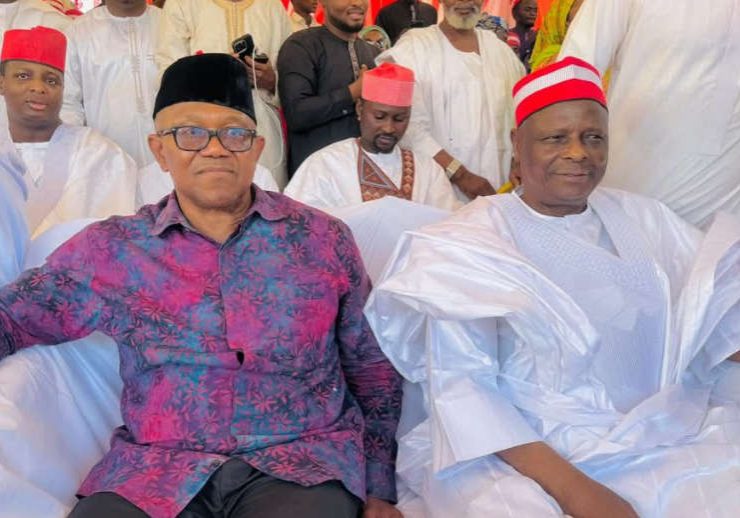
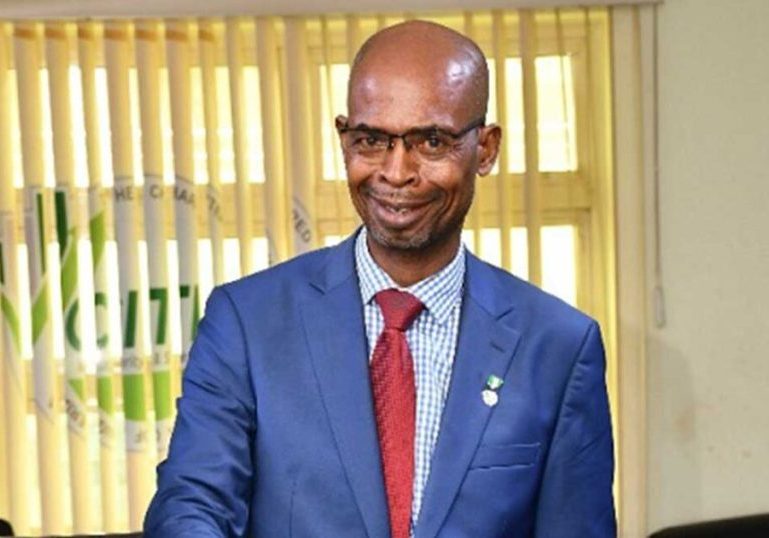
The Nigeria Inter-Religious Council’s Executive Secretary, Prof. Cornelius Omonokhua, emphasized that both Muslims and Christians are being targeted by bandits and terrorists in Nigeria, resulting in widespread killings. Omonokhua made these remarks at the close-out event of the “Promoting and Protecting Freedom of Religion or Belief” project in Abuja, which was organized by Search for Common Ground with support from the Netherlands Ministry of Foreign Affairs.
Describing the scale of violence as a “war on humanity,” Omonokhua stressed that these criminal groups attack Nigerians regardless of their religious affiliation. He noted that the violence is primarily driven by the pursuit of power and money, rather than religious ideology. Omonokhua urged Nigerians not to allow terrorists to create divisions between faith communities, highlighting that the work of the Nigeria Inter-Religious Council shows there is no religious war in the country.
The Director of the Civil and Political Rights Department at the National Human Rights Commission, Halilu Adamu, represented the Executive Chairman, Anthony Ojukwu, and discussed ongoing challenges, including religious intolerance, political manipulation, and mistrust between communities. Adamu emphasized the importance of protecting religious freedom, citing its critical role in maintaining dignity, identity, and national peace.
Under the “Promoting and Protecting Freedom of Religion or Belief” project, the National Human Rights Commission received 12 toll-free lines to enhance reporting on religious freedom concerns. This initiative aims to promote interfaith dialogue and cooperation, ultimately contributing to a more peaceful and cohesive society.
The Nigeria Inter-Religious Council’s efforts to promote religious freedom and tolerance are particularly significant in the context of Nigeria’s diverse religious landscape. With a population of over 200 million people, Nigeria is home to a significant number of Muslims and Christians, making it essential to foster greater understanding and cooperation between these communities.
As Nigeria continues to grapple with the challenges of terrorism, banditry, and religious intolerance, the importance of protecting religious freedom and promoting interfaith dialogue cannot be overstated. The work of organizations like the Nigeria Inter-Religious Council and the National Human Rights Commission is crucial in addressing these challenges and promoting a more peaceful and inclusive society.