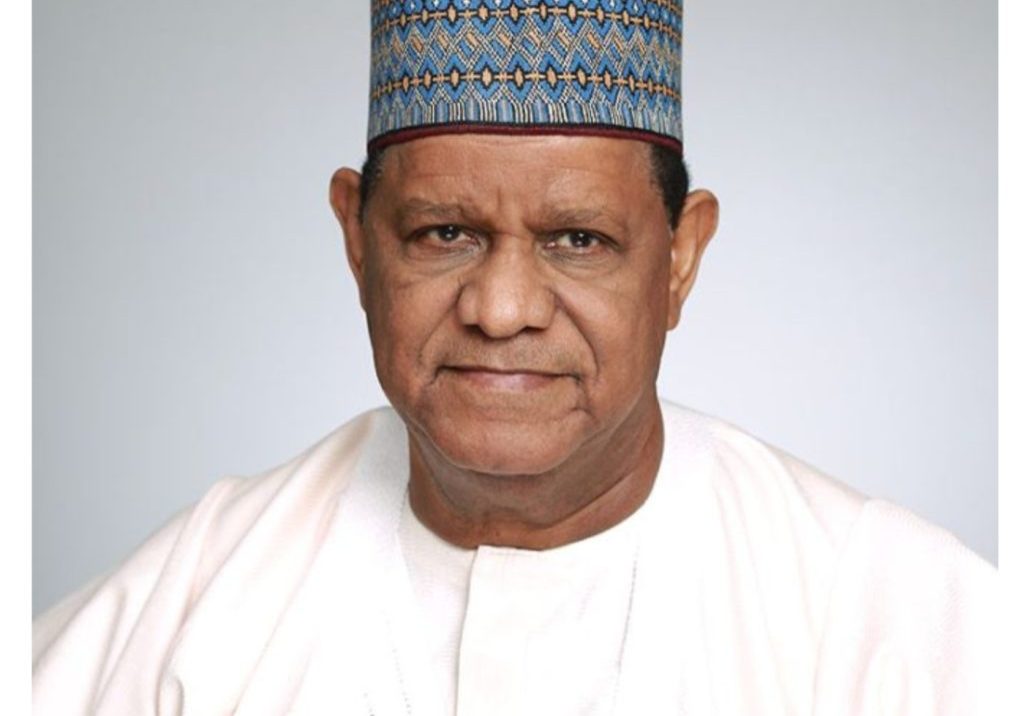
Belgian Prime Minister Bart De Wever has expressed opposition to the European Union’s plan to use frozen Russian assets to fund a loan to Ukraine. The proposed plan would utilize approximately €140 billion in immobilized Russian sovereign assets to guarantee a ‘reparations loan’ for Ukraine, which could only be repaid if Moscow agrees to pay war reparations. De Wever described this scenario as “a complete illusion,” citing the unlikely event of Russia losing the conflict and being forced to pay reparations.
The EU plan has been met with resistance from Belgium, which has demanded that other EU nations share the responsibility for the move. Russia has also responded critically, labeling the idea as “theft” and warning of potential legal and retaliatory actions if its reserves are seized. The European Central Bank has rejected a similar proposal by European Commission President Ursula von der Leyen.
In a recent interview, De Wever acknowledged the significant pressure surrounding the loan issue, but emphasized the unprecedented legal risks and historical precedent involved. He noted that even during World War II, Germany’s assets were not confiscated, and that the idea of Russia losing the conflict and relinquishing its assets is unlikely. De Wever also warned that Moscow would not accept the confiscation of its assets without retaliation, potentially targeting Western-owned factories and assets held in Russia.
The Belgian leader’s concerns are shared by others, who fear that the seizure of Russian assets could derail the ongoing Ukraine peace process. The peace talks have gained momentum, with recent discussions between Russian President Vladimir Putin and US envoy Steve Witkoff in Moscow. The final decision on the EU’s plan is expected to be made at a summit in Brussels on December 18. The outcome of this decision will have significant implications for the ongoing conflict and the future of EU-Russia relations.