

Burkina Faso’s Council of Ministers has adopted a bill to reinstate the death penalty for serious offenses such as treason, terrorism and espionage. Authorities say the measure is part of broader reforms intended to create a justice system that reflects the country’s popular aspirations. Justice Minister Edasso Rodrigue Bayala posted on Facebook that the bill’s adoption demonstrates the government’s commitment to reforming the justice sector.
The West African nation abolished the death penalty in 2018, but the current military‑led government, which seized power in a 2022 coup, has been implementing sweeping changes. These include postponing elections that were expected to restore civilian rule and dissolving the independent electoral commission. The death‑penalty bill now must be approved by parliament and reviewed by the courts before it can become law.
In recent years Burkina Faso has faced criticism for its treatment of media outlets and journalists. The government has suspended the BBC and Voice of America radio stations and arrested prominent journalists, citing coverage of sensitive topics such as human rights abuses and military actions. The country is one of several in West Africa where military regimes have taken power, often invoking security concerns and public dissatisfaction with previous democratically elected governments.
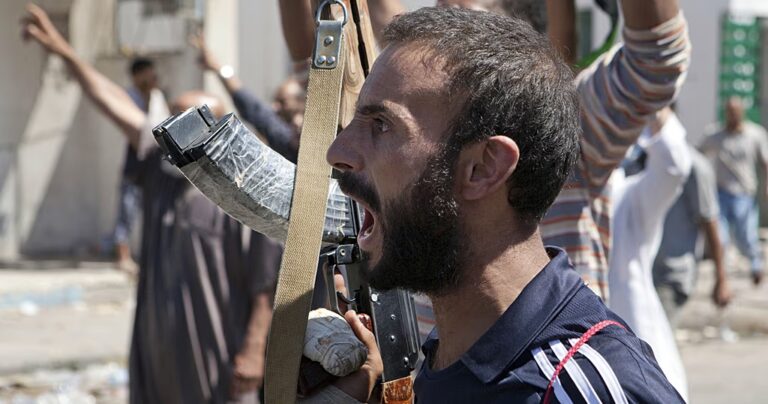
Burkina Faso is grappling with a severe security crisis, especially in the Sahel, where extremist groups linked to al‑Qaeda and the Islamic State are active. The landlocked nation of 23 million people has been shaken by violence and terrorism, straining its resources and stability. The decision to reinstate the death penalty will be closely watched by international human‑rights organizations and the global community, given the country’s recent record on human rights and press freedom.
The bill’s next steps—parliamentary approval and judicial review—will be crucial, and the international community will monitor the situation closely because of its implications for human rights and the rule of law in the region. As events unfold, it is essential to consider the broader context of security, governance and human rights in Burkina Faso and the wider Sahel region.
![Troops, terrorists exchange gunfire in Kogi [VIDEO]](https://mediatalkafrica.com/wp-content/uploads/2026/01/Terrorists-Exchange-Gunfire-With-Nigerian-Troops-In-Kogi-State-768x576.jpeg)
Comments are closed for this story.