
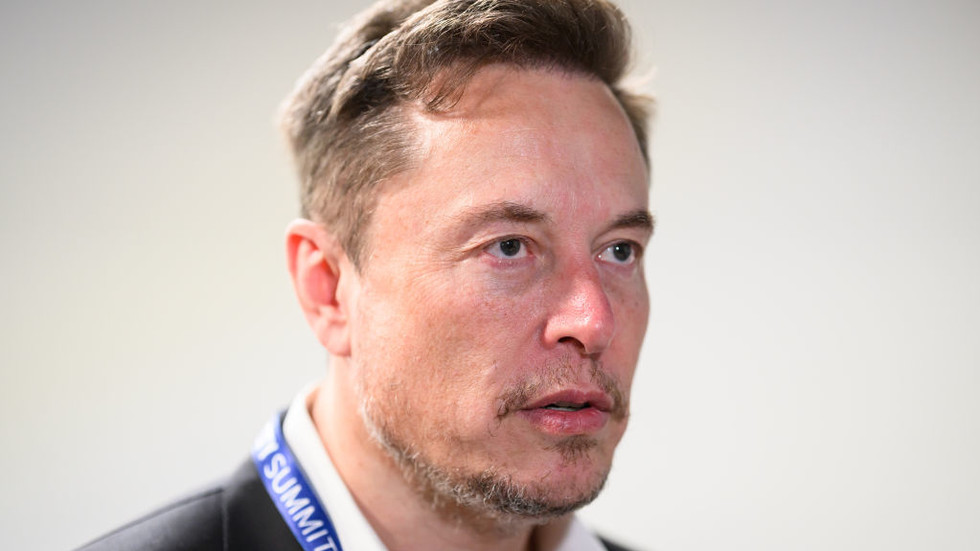
The European Commission has imposed a €120 million fine on X, the social‑media platform owned by tech mogul Elon Musk, for breaching its transparency obligations under the 2022 Digital Services Act. The ruling cited several infractions, including a deceptive blue‑checkmark design, weak advertising transparency, and failure to provide required data access.
In response, Musk called for the dissolution of the European Union, describing it as a “bureaucratic monster” that stifles innovation through excessive regulation. The billionaire entrepreneur, who also owns Tesla and SpaceX, has repeatedly criticized the EU’s regulatory approach, previously calling it a “giant cathedral to bureaucracy.”
The fine has drawn criticism from U.S. officials. Secretary of State Marco Rubio denounced it as an “attack on all American tech platforms and the American people by foreign governments.” Vice President J.D. Vance argued that the EU targeted X for refusing to engage in censorship, while U.S. Ambassador to the EU Andrew Puzder condemned the move, saying Washington opposes censorship and will challenge burdensome regulations that target U.S. companies abroad.
European Commission Executive Vice President for Tech Sovereignty, Security and Democracy Henna Virkkunen defended the fine, stating that deceptive practices such as misusing blue checkmarks and obscuring information on ads have no place online in the EU. Polish Foreign Minister Radosław Sikorski responded to Musk’s criticism by suggesting he should “go to Mars” if he is concerned about censorship, referencing accusations that the entrepreneur performed a Nazi salute while celebrating President Donald Trump’s inauguration.
The dispute highlights ongoing tensions between the EU and U.S. tech companies over regulatory issues, particularly regarding content moderation and transparency. While the Digital Services Act aims to set standards for accountability and openness, some U.S. companies and officials view the regulations as overly burdensome. The fine imposed on X is likely to intensify these tensions, with potential implications for the future of tech regulation in the EU and beyond.


Comments are closed for this story.