
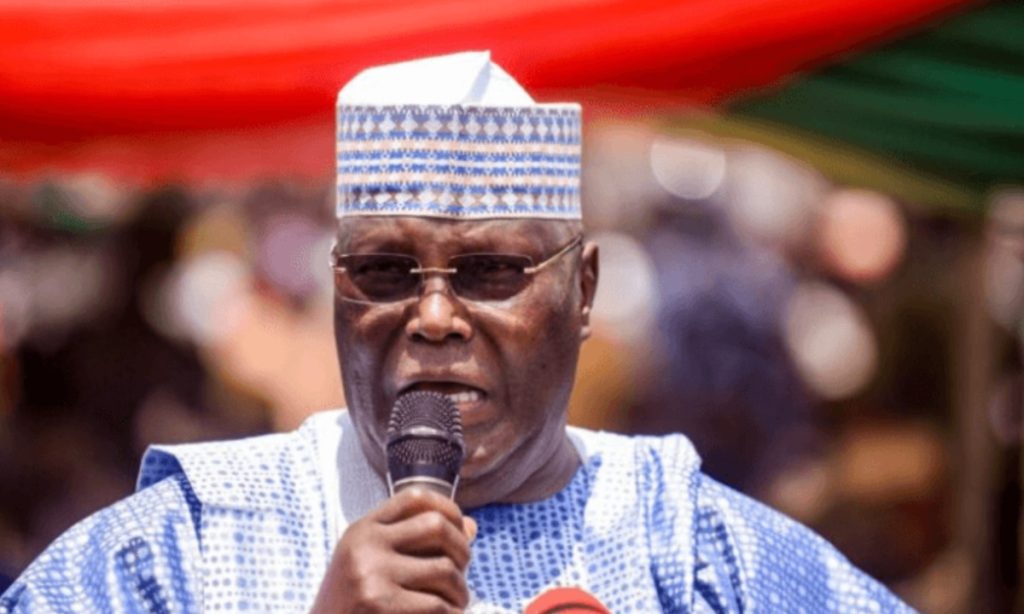
Former Nigerian Vice‑President Atiku Abubakar has denounced the attempted coup in the Republic of Benin, calling it a threat to democratic governance. On Sunday, a group of soldiers announced a takeover of the government in the neighboring French‑speaking country, raising concerns about regional stability. The Benin presidency later confirmed that President Patrice Talon was safe and that the regular army was regaining control of the situation. The Nigerian Air Force assisted the Beninese government by conducting combat air patrols around Cotonou, the capital, highlighting regional cooperation and a shared commitment to democratic principles.
Atiku condemned the coup attempt, emphasizing that military interference in governance is no longer acceptable in Africa. He warned of a troubling trend of assaults on constitutional order, especially with upcoming elections in mind. Benin’s presidential election is scheduled for April 2026, and the timing of the coup raises questions about the motives of those involved. A similar military takeover occurred in Guinea‑Bissau on the eve of the expected announcement of that country’s election results, further fueling concerns about attempts to undermine democratic processes in the region.
Abubakar’s statement reflects a broader worry among regional leaders about the impact of such actions on stability and democratic development across Africa. The situation in Benin remains under close watch, with the international community monitoring developments and calling for respect for democratic institutions. The response from regional powers, such as Nigeria, demonstrates a commitment to supporting democratic governance and preventing the erosion of constitutional order. As the region navigates these challenges, upholding democratic principles and the rule of law is paramount. The upcoming elections in Benin and elsewhere will be crucial tests of the region’s ability to consolidate democratic gains and deter military interference in governance.
![Troops, terrorists exchange gunfire in Kogi [VIDEO]](https://mediatalkafrica.com/wp-content/uploads/2026/01/Terrorists-Exchange-Gunfire-With-Nigerian-Troops-In-Kogi-State-768x576.jpeg)


Comments are closed for this story.