US and Indian trade negotiators have commenced a two-day meeting in an effort to reach a trade agreement amidst ongoing geopolitical tensions. The talks come after the US imposed a 50% tariff on most Indian goods in August, citing India’s purchase of discounted Russian oil as a factor in Moscow’s war in Ukraine.
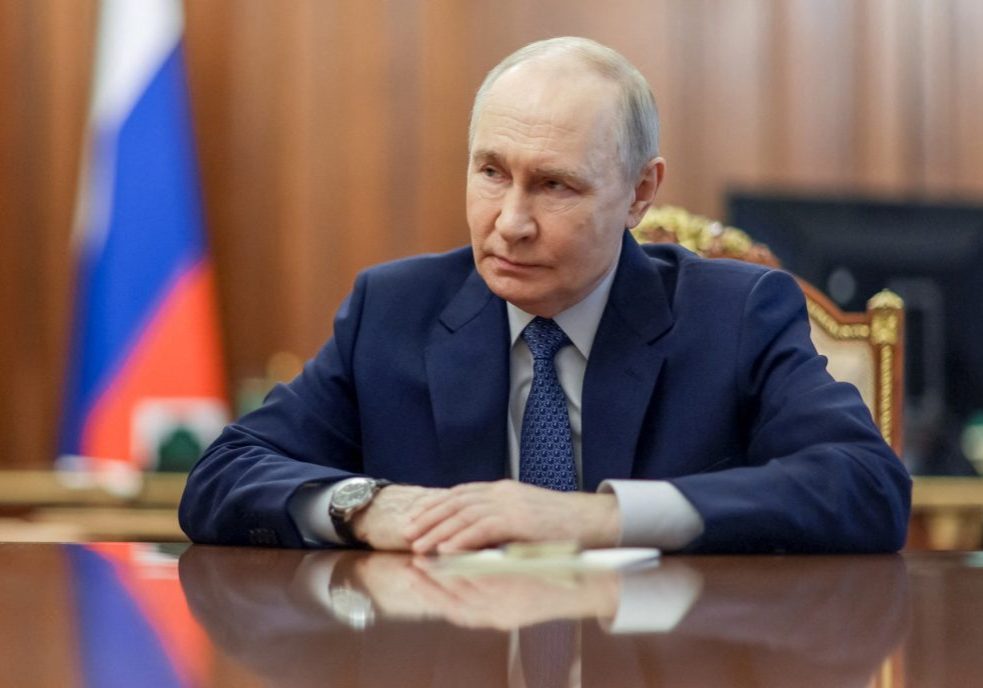
The US argues that India’s imports of Russian crude are effectively funding the conflict, prompting the tariffs. However, India has continued to purchase Russian oil, with Prime Minister Narendra Modi recently meeting with Russian President Vladimir Putin in New Delhi. Deputy US Trade Representative Rick Switzer’s visit aims to address the trade dispute and find a resolution.
India is the world’s fastest-growing major economy, with a $45.8 billion goods trade deficit with the US in 2024. The country’s exports, particularly in labor-intensive industries such as gems, jewelry, and textiles, have been severely impacted by the tariffs. The Global Trade Research Initiative estimates that these sectors have seen export drops of 37-60% between May and September.
The trade dispute has significant implications for India’s economy, with the International Monetary Fund cutting the country’s 2026-27 growth forecast from 6.4% to 6.2%. The tariffs could also lead to a decline in exports, potentially knocking up to 80 basis points off growth. Foreign investors have already dumped over $16 billion in Indian equities this year, contributing to a record low for the rupee.
The US has linked its trade policy to geopolitics, with roughly half of the tariff burden stemming from India’s purchase of Russian oil. However, India has not confirmed or denied plans to stop buying Russian oil, despite US President Donald Trump’s claims that the country has mostly stopped imports. Putin has offered to continue uninterrupted shipments of fuel to India, which has sparked concerns about the country’s commitment to reducing its reliance on Russian oil.
Other issues, such as agriculture, have also stalled trade talks. India has resisted pressure to cut tariffs on staples like rice and wheat, citing concerns about angering its farmers. While a senior Indian commerce ministry official claims that these issues are “largely resolved,” Trump has criticized India for “dumping” rice into the US.
Despite the challenges, relations between the US and India have improved since August, with several smaller deals advancing. The US has approved arms sales worth nearly $93 million, and India has signed a significant deal for the US to supply nearly 10% of its liquefied petroleum gas imports. Experts believe that these energy commitments could help convince Washington that India is reducing its reliance on Russia, potentially paving the way for a breakthrough in trade talks.