

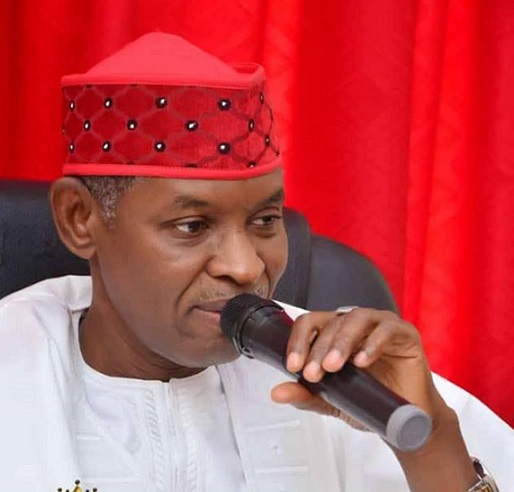
The chairman of the Kano State Public Complaints and Anti‑Corruption Commission (PCACC), Muhyi Magaji Rimin Gado, likened Nigeria’s fight against corruption to the violent campaign against Colombian drug cartels. Speaking at a public presentation in Lagos, he described corrupt politicians as “cancerous ailments” that must be removed through a “painful but necessary surgical operation” if Nigeria is to regain its pride.
Magaji’s remarks come as the commission he leads prosecutes former Kano governor Abdullahi Ganduje on corruption allegations. Established in 2005 to combat corruption in Kano State, the PCACC has, according to Magaji, uncovered that most companies involved in public‑private partnerships are linked to Ganduje and that billions of illicit funds have been siphoned from the state’s Internally Generated Revenue.
The anti‑corruption campaigner claimed that his investigation into the looting of public funds has attracted threats to his life and his family’s safety, culminating in his arrest by armed security agents last Friday. He was detained for 17 hours, during which he was bundled into a vehicle and sandwiched between armed policemen. Magaji stressed that corruption cannot be fought effectively when law‑enforcement agents are compromised by corrupt politicians, alleging that some policemen are being used against him by “powerful but stupendously corrupt politicians” who disregard accountability.
He also questioned the Nigeria Police Force’s decision to launch a criminal investigation into a judicial process that was properly initiated under Section 211 of the Nigerian Constitution. The public presentation, organized by the Human and Environmental Development Agenda Resource Centre, marked this year’s International Anti‑Corruption Day celebration and emphasized the need for youth to unite against corruption and shape a more honest future.
Magaji’s experience in Kano has led him to conclude that corrupt politicians are “as vicious as the world’s most violent drug lords” and that Nigeria will not prosper while they dominate the political arena. The incident highlights the challenges faced by anti‑corruption agencies in Nigeria and underscores the need for greater accountability and transparency in governance. As the country continues to grapple with corruption, the role of agencies like the PCACC remains crucial in promoting integrity and good governance, and the prosecution of high‑profile cases such as former Governor Ganduje will be closely watched as a test of Nigeria’s commitment to fighting corruption.

![Troops, terrorists exchange gunfire in Kogi [VIDEO]](https://mediatalkafrica.com/wp-content/uploads/2026/01/Terrorists-Exchange-Gunfire-With-Nigerian-Troops-In-Kogi-State-768x576.jpeg)

Comments are closed for this story.