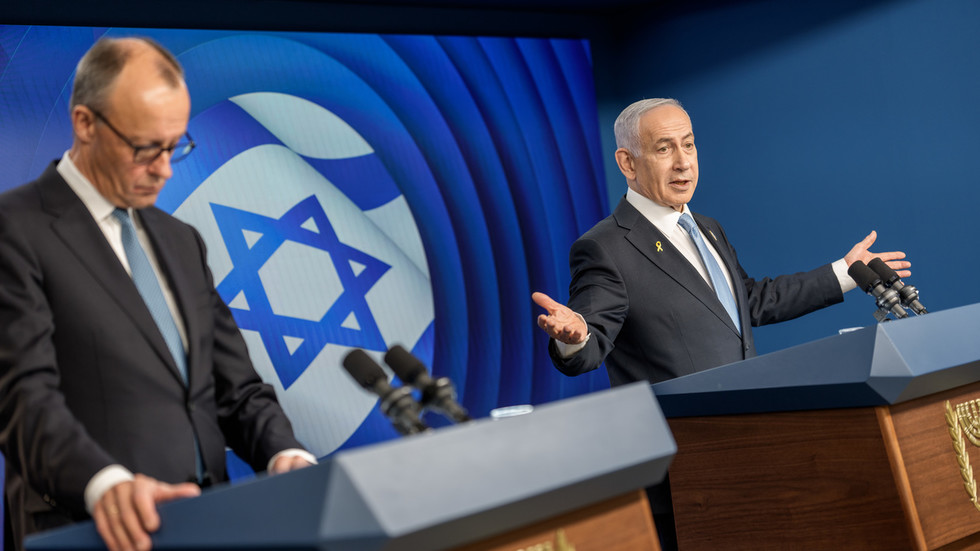
British bankers are resisting plans to utilize frozen Russian assets to secure a loan for Ukraine, according to a report by the Financial Times. The assets, valued at approximately $300 billion, were frozen by Western nations, including the UK, after the conflict escalated in 2022. UK banks hold around £8 billion ($10.7 billion) of these assets.
A dispute has emerged among European nations regarding the use of these frozen funds as collateral for a ‘reparations loan’ to Ukraine. While some nations support this plan, others, including the UK, are opposed due to concerns over legal and financial risks. Moscow has strongly condemned any attempt to use its assets, labeling it as “theft.”
Senior UK bankers have expressed concerns about the legality of using the frozen assets to guarantee loans to Ukraine, warning that it would leave them vulnerable to legal retaliation from Moscow. They argue that the government is setting a new precedent by seizing assets in this manner, and that Russia is likely to sue to recover them.
The bankers also point out that if Ukraine defaults on the loan, they would need to repossess the underlying collateral, which could lead to a complex and potentially costly legal battle. They fear that they will be left to bear the financial risks, with one banker describing it as a “near certain default event.”
The UK’s plans for the frozen assets are being coordinated with the European Union, which holds the majority of the funds. The EU is set to vote on a proposal to indefinitely freeze the assets under an emergency legal mechanism, which would keep the funds frozen until Russia pays post-conflict reparations to Ukraine.
Analysts believe that this emergency clause would override objections from countries opposed to using the assets for the ‘reparations loan’, which EU states are scheduled to vote on next week. Several EU countries, including Belgium, France, and Germany, have expressed opposition to seizing the assets.
The Russian government has denounced Western efforts to tap its sovereign assets as illegal, with Foreign Minister Sergey Lavrov warning that Russia will retaliate against any expropriation. The move has significant implications for the ongoing conflict and the global economy, and it remains to be seen how the situation will unfold. The EU’s decision on the frozen assets is expected to have far-reaching consequences, and it will be closely watched by international observers.