
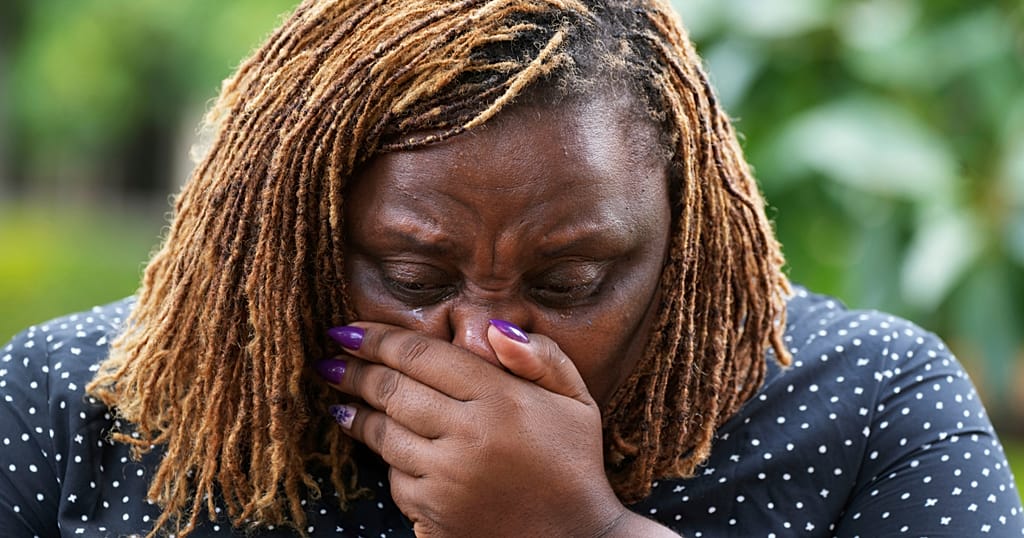
Kenya is confronting a surge in femicide and gender‑based violence, highlighted by the tragic murder of 10‑year‑old Mary Wambui three years ago. Her mother, Lenah Kanywa, recently recounted finding her daughter’s lifeless body beneath a bed in the house of their landlord’s son. The suspect, now on trial, is accused of assaulting and killing the girl.
Mary’s case is far from isolated. United Nations data indicate that one in five women in Kenya is killed each day, with many incidents unreported or misclassified, obscuring the true scale of the crisis. A report by Africa Data Hub and Africa Uncensored documented a record number of femicides in the previous year, sparking nationwide protests and prompting the government to create a task force to address the problem.
Njeri Migwi, founder of the NGO Usikimye, stresses the need for comprehensive support for women at every stage of reporting crimes. “We need a lot of psychosocial support, from the minute you report to the police station,” she says, advocating for trained psychologists to receive trauma victims instead of police officers to ensure proper care and accurate reporting.
To raise awareness, Usikimye has organized a traveling exhibition featuring symbolic displays such as blood‑stained dresses and a grave honoring victims. The exhibition provides a platform for survivors like Lenah to share their stories and receive support. Lenah credits the counseling she received for helping her cope with the loss of her child.
As Mary’s case finally reaches the courts, her mother hopes for justice while acknowledging that the pain of losing a child will remain forever. The Kenyan government has begun town‑hall meetings and investigations, but more must be done to support victims and prevent such crimes. The international community should take note of Kenya’s struggle with femicide and gender‑based violence and work together to combat this pervasive issue.




Comments are closed for this story.