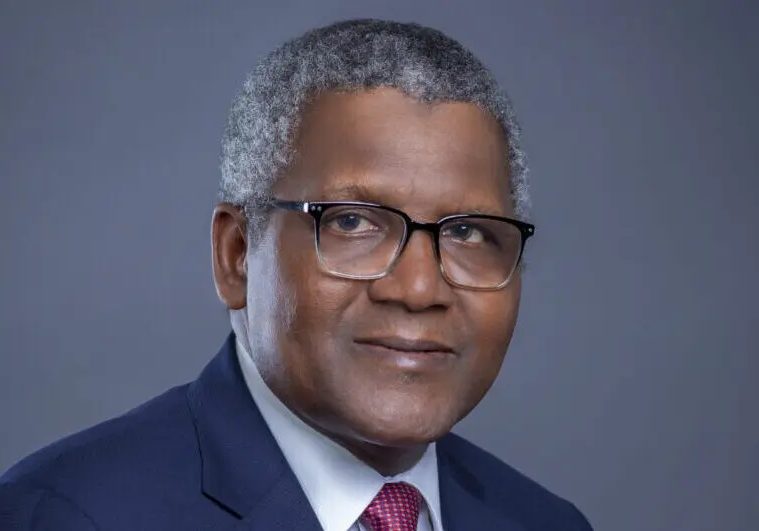
Taiwo Oyedele, Chairman of the Presidential Fiscal Policy and Tax Reforms Committee, has attributed the growing concern among Nigerians about the country’s new tax reforms to a lack of adequate awareness. The reforms are set to take effect in January 2026. According to Oyedele, many Nigerians are only now discovering key aspects of the tax system, including the Tax Identification Number and the monthly reporting requirements for bank accounts.
Oyedele explained that the information about these requirements is actually contained in the 2020 Finance Act, but the low level of tax awareness in Nigeria has led to widespread confusion. He emphasized that the new tax law is not introducing these concepts, but rather, they have been in place for some time. The Chairman also sought to clarify that no bank or government authority has the power to withdraw money arbitrarily from individuals’ accounts.
He outlined the process that must be followed in cases of tax disputes, which includes written notifications, assessments, and court proceedings. Oyedele noted that the law provides for a power of substitution, also known as a garnishee order, in some countries. This clarification comes amid uncertainty and concern among Nigerians ahead of the implementation of the 2025 Nigeria Tax Administration Act.
As previously stated by Oyedele, all taxable Nigerians will be required to have a tax ID to operate their bank accounts. The new tax reforms aim to improve tax administration and compliance in Nigeria. With the January 2026 implementation date approaching, it is essential for Nigerians to understand their tax obligations and the procedures in place to avoid any potential disputes or issues. By addressing the knowledge gap and providing clarity on the tax reforms, the government hopes to reduce concerns and ensure a smooth transition to the new system.