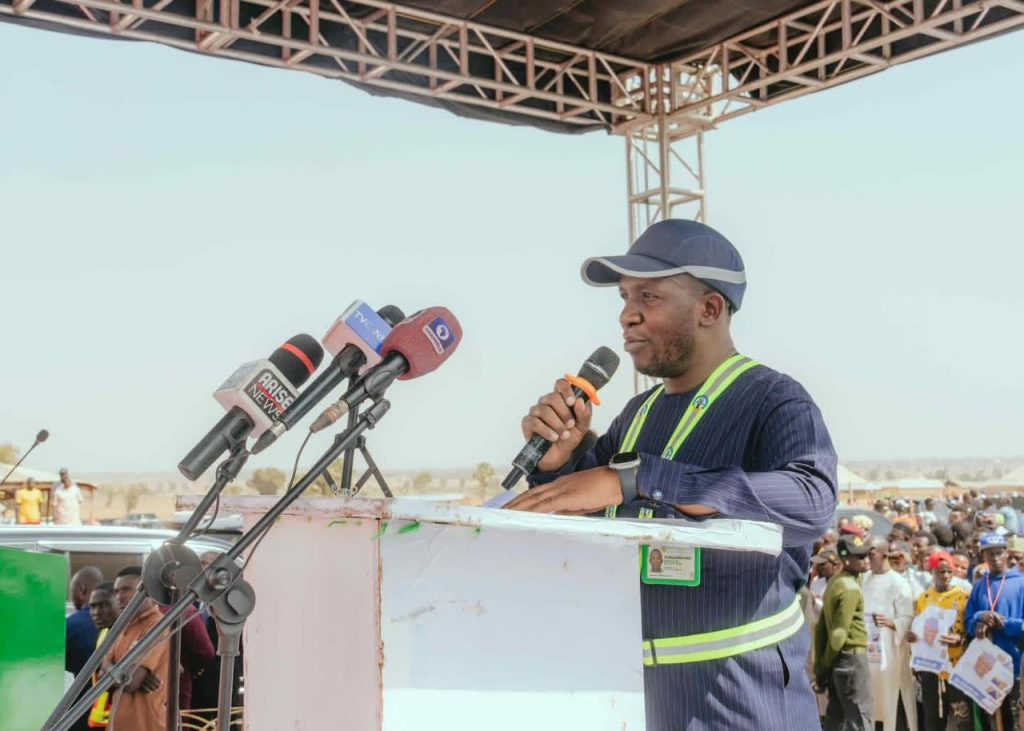
A coalition of prominent opposition leaders in Nigeria has accused the Federal Government of utilizing anti-corruption agencies to intimidate and persecute opposition figures. The leaders, including former Vice President Atiku Abubakar and former Senate President David Mark, claim that the government is weaponizing state institutions, such as the Economic and Financial Crimes Commission (EFCC), to target political opponents under the guise of fighting corruption.
The opposition leaders allege that the government is using the EFCC and other agencies to selectively enforce anti-corruption laws, overlooking allegations against members of the ruling party while aggressively pursuing accusations against opposition figures. They cite the recent defections of opposition governors to the ruling party, which they claim are driven by political pressure rather than ideological or personal persuasion.
The leaders also point to the case of a former minister who was implicated in a financial scandal but has not been charged or arraigned by the EFCC. They argue that this selective enforcement undermines the credibility of anti-corruption efforts and erodes public trust in national institutions.
The opposition leaders are calling for the establishment of an independent review body to examine public accounts of the federal, state, and local governments from 2015 to 2025. They propose that the body, which should be chaired by an eminent judge, have unrestricted access to public financial records and publish its findings to expose patterns of selective prosecution.
The leaders also suggest embedding anti-corruption operatives directly into government payment and expenditure processes to prevent financial crimes. They are urging Nigerians to defend democracy and remain vigilant, and plan to engage foreign partners and international organizations to express concern over the growing politicization of Nigeria’s anti-graft agencies.
The detention of former Attorney General and Minister of Justice Abubakar Malami, who is being investigated for 18 offenses including alleged abuse of office and terrorism financing, has sparked concerns about the independence of the EFCC. The opposition leaders’ statement comes amid growing concerns about the state of democracy in Nigeria, where the ruling party has been accused of using state institutions to consolidate power and suppress opposition.