A dispute between Aliko Dangote, president of Dangote Refinery, and Farouk Ahmed, chief executive officer of the Nigerian Midstream and Downstream Petroleum Regulatory Authority (NMDPRA), has resurfaced. Dangote recently accused Ahmed of paying $5 million for his children’s secondary school fees in Switzerland, which he claims amounts to over N7 billion. Additionally, Dangote alleged that Ahmed is engaging in economic sabotage by encouraging importers to hinder the operations of his refinery.
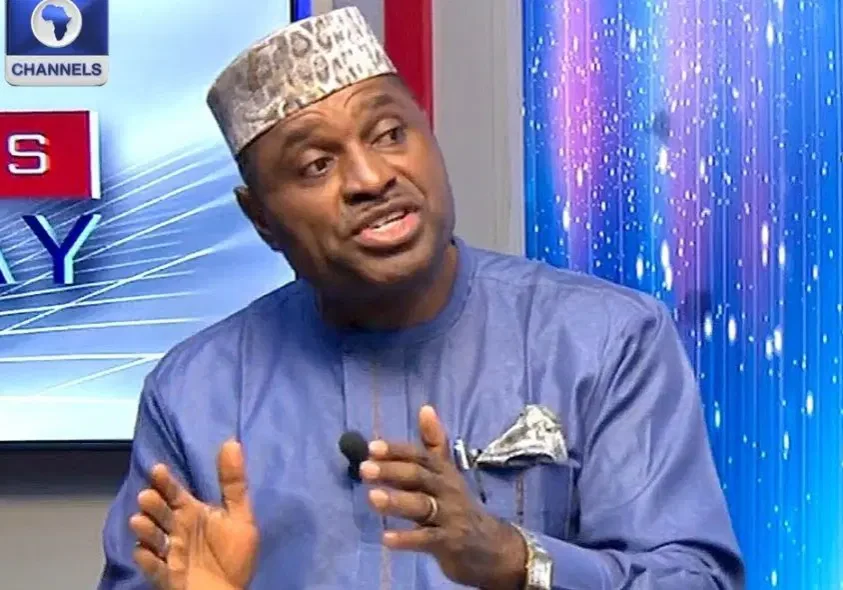
Kunle Olubiyo, an energy expert and president of the Nigeria Consumer Protection Network, has weighed in on the matter. Olubiyo stated that the alleged $5 million payment could be used to establish a modular refinery in Nigeria, highlighting the significance of the amount. He called on the country’s anti-corruption agencies to investigate Dangote’s claims against Ahmed.
The feud between Dangote and Ahmed began over a dispute regarding the sulfur content in petrol products produced by Dangote’s $20 billion refinery. Ahmed, who regulates the downstream sector, including Dangote Refinery, has yet to respond to the latest allegations.
The allegations have sparked concerns about the regulatory environment in Nigeria’s petroleum industry. Olubiyo’s comments underscore the need for transparency and accountability in the sector. As the situation unfolds, it remains to be seen how the anti-corruption agencies will respond to the allegations and what implications this may have for the industry.
The Nigerian Midstream and Downstream Petroleum Regulatory Authority plays a crucial role in regulating the country’s petroleum industry, and any allegations of impropriety can have far-reaching consequences. The dispute between Dangote and Ahmed highlights the complexities and challenges facing the industry, including issues related to regulation, competition, and transparency.
As the investigation into the allegations unfolds, it is essential to ensure that the regulatory framework is robust and effective in promoting a level playing field for all stakeholders. The outcome of this dispute will likely have significant implications for Nigeria’s petroleum industry, and it is crucial that all parties involved are held to the highest standards of transparency and accountability.