
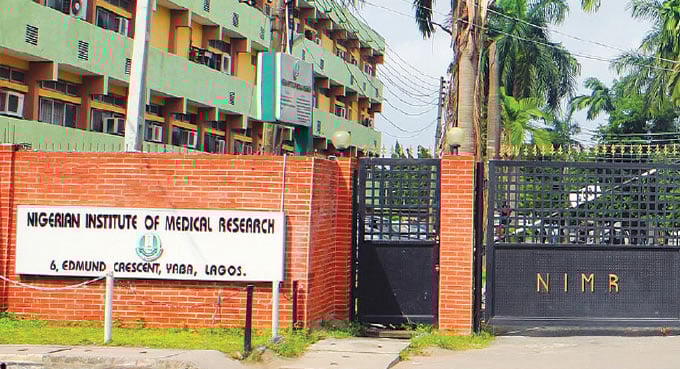
The Nigerian Institute of Medical Research (NIMR) has highlighted the crucial role of improved living conditions in eradicating malaria. Dr. Adeola Olukosi, a Director of Research at NIMR, explained that environmental factors are closely linked to the disease’s persistence. Malaria, transmitted by infected female Anopheles mosquitoes, remains a major public‑health threat in many tropical regions, including Nigeria. Olukosi pointed out that in areas where malaria has been eliminated—such as the United States and southern Europe—better housing, sanitation and overall living standards were key contributors to success.
In contrast, Nigeria continues to struggle with inadequate housing, poor sanitation and environments that favor mosquito breeding. Olukosi called for a multi‑faceted strategy that goes beyond medical and technological tools, emphasizing coordinated global efforts, policy reforms and investment in raising living standards. “We need synergy, cooperation, and assistance,” she said, adding that malaria‑free regions must also cooperate because the disease can cross borders. She noted that genetic traits like the sickle‑cell gene can further complicate eradication efforts, and urged Nigeria and other endemic countries to invest in better housing, sanitation and infrastructure for long‑term benefits.
Prof. John Obafunwa, Director‑General of NIMR, underscored the problem of misdiagnosing fever as malaria, which fuels drug resistance and delays treatment for other illnesses. He highlighted how social factors—gender, economic status and occupational exposure—affect malaria prevention and treatment. Obafunwa called for greater community engagement, improved diagnostic practices and targeted support for marginalized groups to reduce malaria’s incidence and impact.
NIMR remains actively involved in malaria research, collaborating with the National Malaria Programme to provide technical support and inform policy. The institute’s work demonstrates the need for a comprehensive approach that addresses both medical and social dimensions of the disease. By prioritizing improved living conditions, coordinated global action and targeted interventions, Nigeria and other affected nations can make significant progress against this debilitating illness.

Comments are closed for this story.