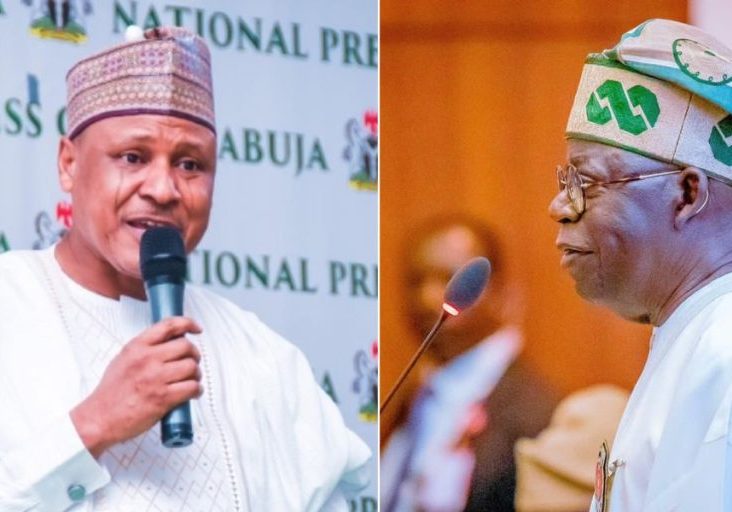
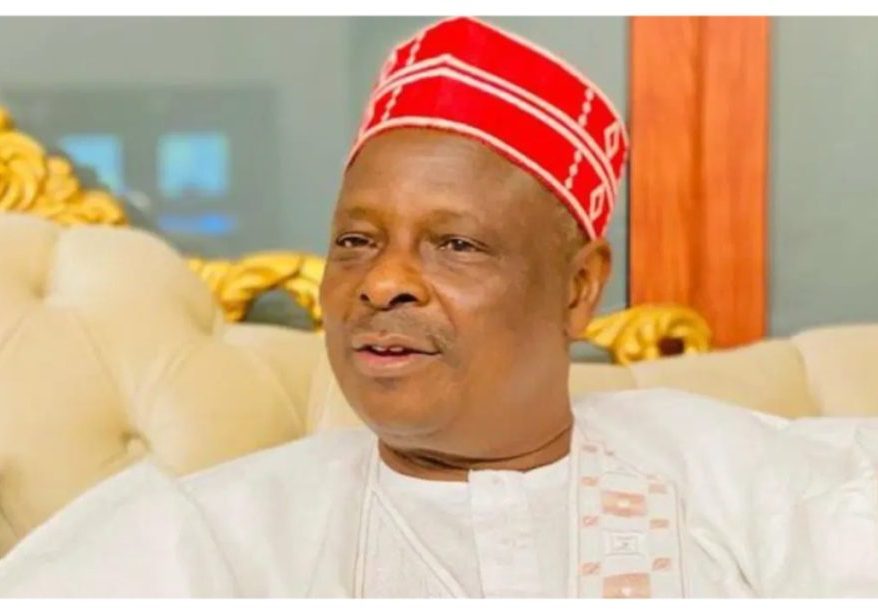
The Nigerian Minister of Environment, Balarabe Lawal, has reaffirmed the government’s commitment to the Ogoni clean-up, citing it as a top priority for his ministry. This statement was made during a courtesy visit to the Rivers State Government House in Port Harcourt by a presidential delegation, led by National Security Adviser Nuhu Ribadu. The delegation included Minister of Works David Umahi and senior officials from the Nigerian National Petroleum Company (NNPC) Limited.
Lawal highlighted the progress of projects recommended by the United Nations Environment Programme (UNEP), including mangrove restoration, healthcare services, human capacity building, and women empowerment programs. These initiatives aim to address the environmental and social impacts of oil pollution in the Ogoni region. The UNEP had previously assessed the area and provided guidelines for remediation.
The NNPC’s Group Chief Executive Officer, Bayo Ojulari, also emphasized the company’s commitment to the ongoing Ogoni dialogue. He noted that the focus has shifted from oil exploration to improving the lives of the local population. This development comes as the Federal Government has been engaging with the Ogoni people to resume oil exploration in the area, which has been suspended for over 30 years.
However, some rights groups and community members have expressed opposition to the resumption of oil activities, citing lingering pollution concerns. The Ogoni region has faced significant environmental challenges due to oil spills and pollution, which have had devastating effects on the local ecosystem and communities.
The Nigerian government’s efforts to address these concerns and prioritize the clean-up of the Ogoni region are crucial steps towards mitigating the environmental and social impacts of oil pollution. As the government moves forward with its plans, it is likely to face ongoing scrutiny from rights groups and community members, who will be monitoring the situation closely to ensure that their concerns are addressed. The success of these initiatives will depend on the government’s ability to balance the needs of the local population with the country’s economic interests.