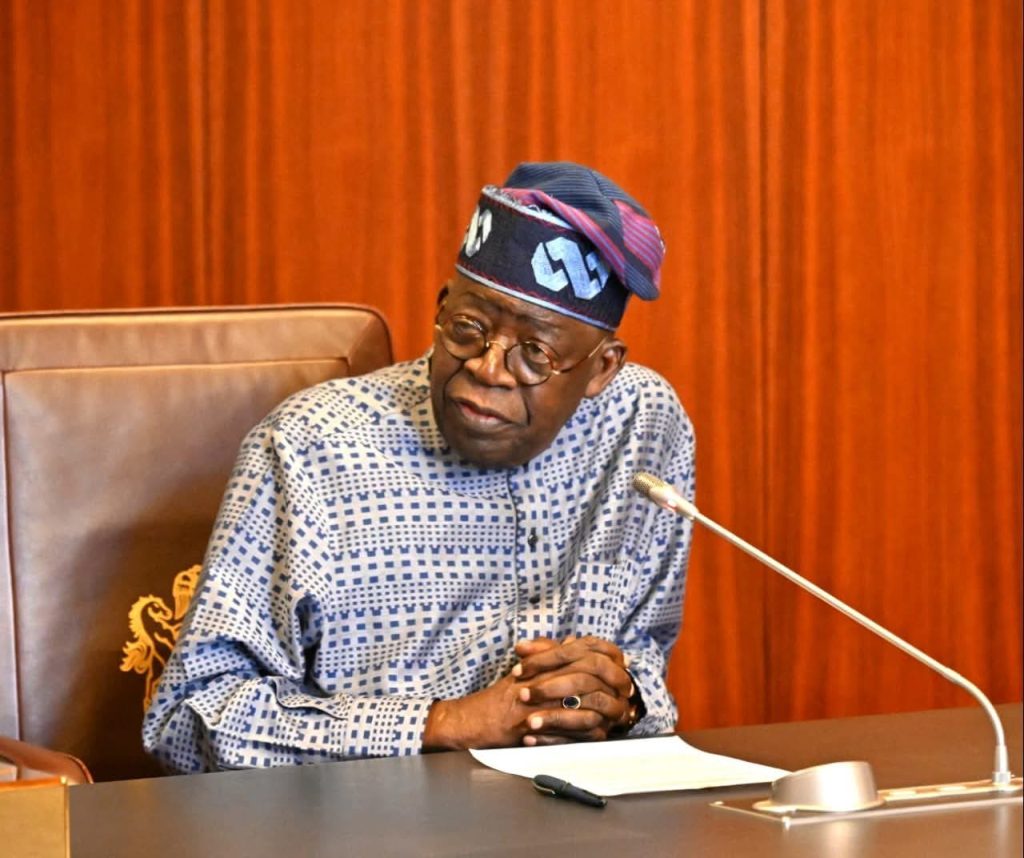
The Centre for the Promotion of Private Enterprise has urged the Nigerian Midstream and Downstream Petroleum Regulatory Authority to prioritize support for local refineries, including the Dangote Refinery, to reduce the country’s reliance on imported petroleum products. According to Dr. Muda Yusuf, CEO of the CPPE, the regulator’s policy framework should focus on domestic refining, aligning with the government’s industrialization agenda and “Nigeria-First” policy direction.
The CPPE emphasized that the Nigerian Midstream and Downstream Petroleum Regulatory Authority, led by CEO Saidu Mohammed, must shift its policy direction away from importation and towards promoting local refining. This approach is expected to enhance the country’s energy security and reduce its dependence on foreign refined products. By supporting domestic refineries, the authority can help increase local production and reduce the financial burden associated with importing petroleum products.
In the upstream sector, the CPPE recommended that the Federal Government introduce policies to attract new investments in both onshore and offshore assets, aiming to boost crude oil and gas production. This move is seen as crucial for increasing the country’s energy output and driving economic growth.
The call for support for local refineries comes amid an ongoing price war in the downstream sector, which has led to a decrease in petrol pump prices in Abuja, ranging from N739 to N910 per liter. The development highlights the need for a sustainable solution to the country’s energy challenges, with the CPPE’s proposal aiming to promote energy self-sufficiency and reduce reliance on imports.
The Nigerian government’s policy direction on the oil and gas sector is being closely watched, as the country seeks to harness its natural resources to drive economic growth and development. By prioritizing domestic refining and increasing local production, the government can create a more sustainable energy sector, reduce costs, and promote economic development. The CPPE’s recommendations are expected to inform the government’s policy decisions, as it seeks to address the country’s energy challenges and promote a more vibrant economy.