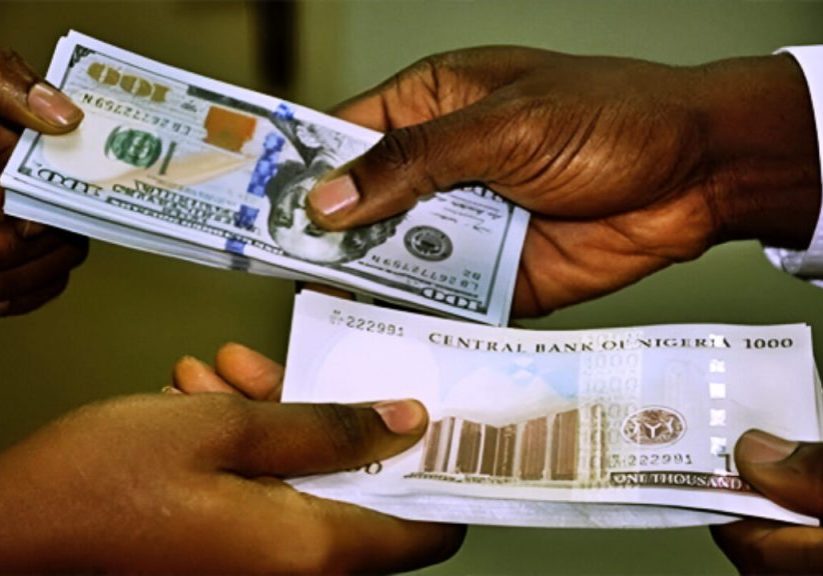
States and local government councils in Nigeria have reduced their bank borrowings by approximately N547.52 billion over the past year, according to data from the Central Bank of Nigeria’s Quarterly Statistical Bulletin. This decrease in debt is largely attributed to the surge in Federation Account inflows, which have risen significantly due to increased revenue allocations.
The banking sector’s exposure to state and local governments fell from N2.68 trillion in June 2024 to N2.13 trillion in June 2025, representing a 20.4% year-on-year decline. This reduction in debt is a notable shift, particularly considering the high interest rates that have prevailed over the past year. The Central Bank of Nigeria’s Monetary Policy Committee had aggressively tightened policy in 2024, lifting the Monetary Policy Rate to 27.5% to rein in inflation and stabilize the exchange rate.
The rise in Federation Account allocations has been substantial, with states and local governments jointly receiving N12.67 trillion in 2025, up from N8.96 trillion in 2024. This 41.4% increase in statutory inflows has provided sub-national governments with the necessary funds to reduce their borrowing. The data from the Office of the Accountant-General of the Federation shows that states received N7.31 trillion in 2025, a 41% rise from N5.19 trillion in 2024, while local government councils received N5.35 trillion, a 41.8% increase from N3.77 trillion in 2024.
The trend of increased allocations is evident throughout the year, with states and local governments receiving higher amounts each month compared to the previous year. This surge in inflows has driven the decrease in bank debt, as sub-national governments have been able to rely less on borrowing to fund their activities.
The Nigeria Extractive Industries Transparency Initiative has noted that despite record-high disbursements from the Federation Accounts Allocation Committee, many states still face financial strain due to debt repayments. The agency has raised concerns about the fiscal sustainability and ability of these states to fund critical projects. The Director-General of the Debt Management Office, Patience Oniha, has advised state governments to adopt Public-Private Partnerships and prioritize tax revenue generation over borrowing to fund infrastructure projects.
The reduction in bank debt by states and local governments is a positive development, indicating a shift towards more prudent fiscal management. However, the underlying issues of fiscal sustainability and debt management remain a concern, and it is essential for sub-national governments to continue to explore alternative funding options and prioritize revenue generation to ensure long-term financial stability.