
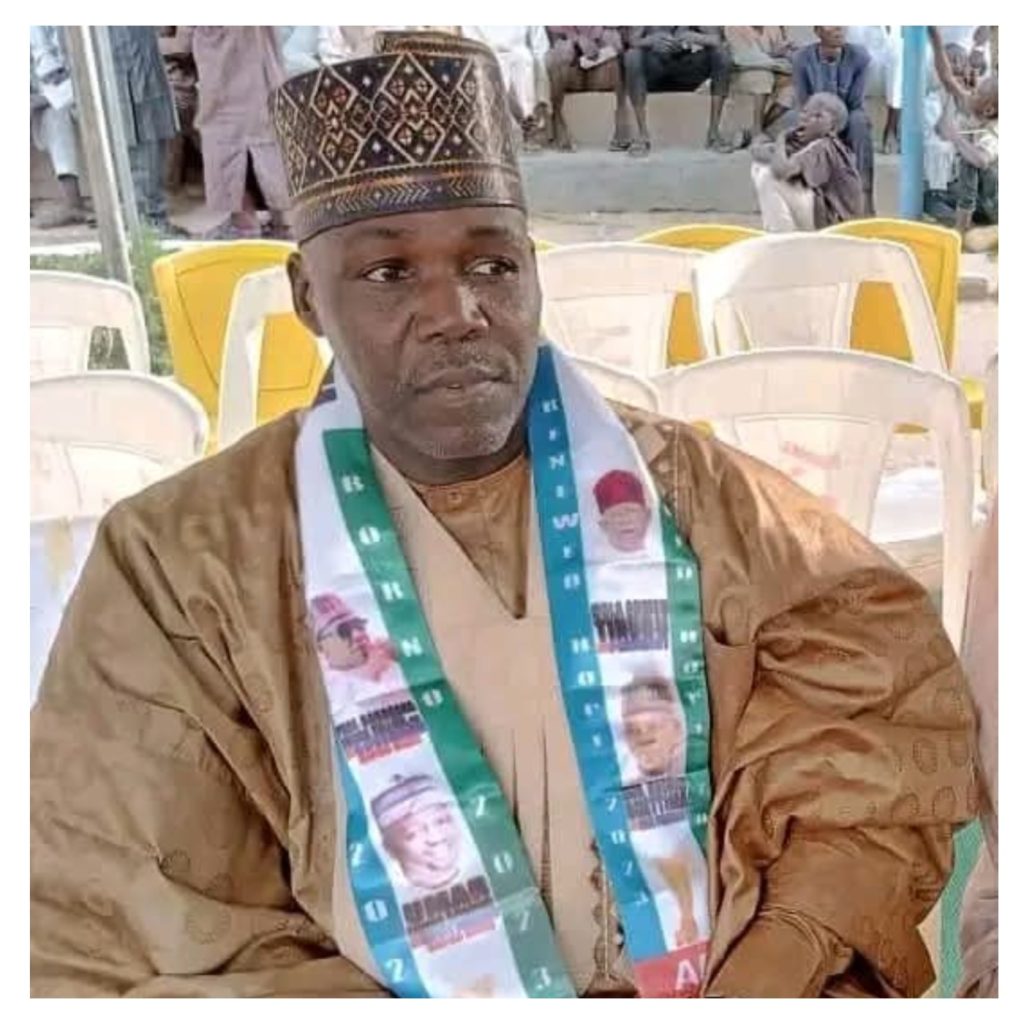
A prominent member of Nigeria’s ruling All Progressives Congress, Ambassador Mohammed Bomoi, has announced his resignation from the party, citing dissatisfaction with its national leadership and alleged marginalization of the North-East region. In a statement dated December 25, 2025, Bomoi declared his withdrawal from the Tinubu/Shettima political movement and his decision to sever ties with the APC at the national level.
Bomoi, who previously served as Secretary of the APC Special Purpose Committee for the North-East Zone and was an active member of the Tinubu Support Group, stated that his resignation followed the party’s failure to adequately recognize and include him and other loyal members who mobilized support across several states, including Borno, Gombe, Bauchi, Adamawa, Taraba, and Yobe. He accused the party’s national leadership of exhibiting an aloof and laissez-faire attitude towards the region, which he believes has led to a lack of inclusion and diminished his confidence in the APC.
The former party official alleged that the current administration’s actions indicate that the North is being treated as a “caste,” and that the social contract between the North and the central government has been deliberately undermined. Bomoi expressed no regret over his decision to leave his position, citing the need for greater representation and recognition of the North-East region’s contributions to the party.
This development comes as the APC continues to face internal challenges and criticisms over its leadership and governance style. The party’s national leadership has been accused of neglecting certain regions and failing to address the concerns of its members. Bomoi’s resignation is likely to fuel further debate about the party’s commitment to inclusivity and representation.
The implications of Bomoi’s resignation are significant, as it highlights the ongoing tensions within the APC and the need for greater dialogue and representation of marginalized regions. As Nigeria’s political landscape continues to evolve, the APC will need to address these concerns to maintain the support of its members and the broader electorate. With elections on the horizon, the party’s ability to respond to these challenges will be closely watched by voters and analysts alike.