
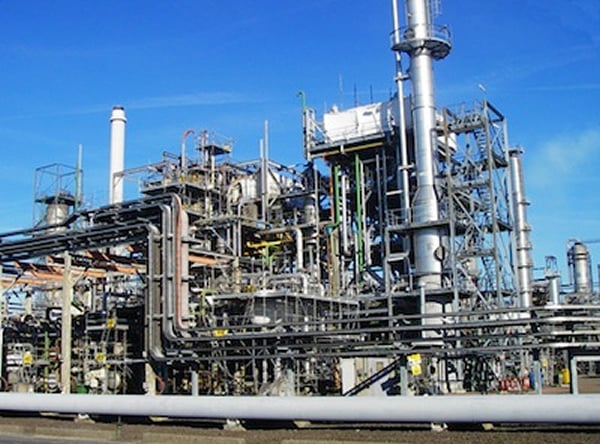
The Nigerian Midstream and Downstream Petroleum Regulatory Authority has disclosed that the shut‑down Port Harcourt Refining Company continues to supply 349,000 litres of diesel each day. Although the refinery was closed for maintenance on 24 May 2025, it has been evacuating the diesel produced before the shutdown into the market as of November. The plant is now in its seventh month of inactivity, with no production taking place.
The Nigerian National Petroleum Company Limited (NNPC) initially announced a one‑month maintenance shutdown, but the refinery has not yet resumed operations. Before the latest closure, the facility had restarted production in November 2024 after years of dormancy, boasting a daily capacity of 1.5 million litres of diesel and 2.1 million litres of pour‑fuel oil. Six months after this restart, it was shut down again.
Bayo Ojulari, the new Group Chief Executive of NNPC, said the refinery was losing about $500 million per month before rehabilitation works were halted. He attributed these losses to inefficient operations, with the plant processing less than 40 % of the crude oil fed into it.
The Petroleum Products Retail Outlets Owners Association of Nigeria has called for the privatisation of Nigeria’s four state‑owned refineries, arguing that it would eliminate the recurring fiscal burden on the government and improve operational efficiency. Ojulari, however, has rejected calls to sell the refineries, expressing confidence that they can be revamped into sustainable, revenue‑generating assets.
The ongoing shutdown of the Port Harcourt Refining Company and the other refineries has serious implications for Nigeria’s fuel supply and economy. The government’s plan to reposition the refineries as sustainable assets will be closely watched as the country seeks to boost refining capacity and reduce reliance on imported fuel. With the refinery’s future uncertain, the Nigerian government must find a solution to ensure a stable fuel supply and address the challenges facing the refining sector.




Comments are closed for this story.