As Nigeria enters 2026, the country is poised for a year marked by a delicate balance between reforms and vulnerabilities. The outgoing year was characterized by significant political, economic, and social changes, with issues such as governance reforms, economic restructuring, and insecurity dominating the landscape.
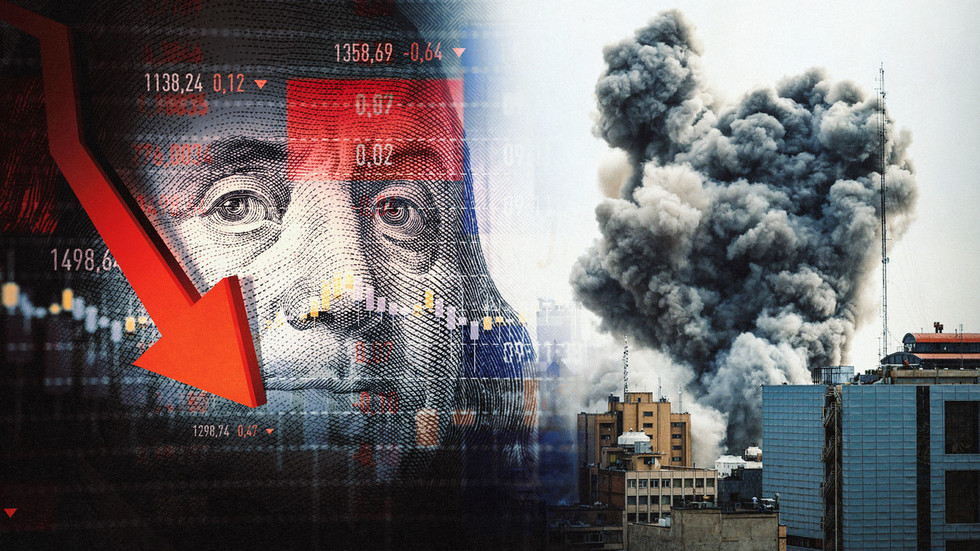
The Tinubu government’s efforts to address the nation’s challenges have been met with mixed reactions. The removal of the fuel subsidy, for instance, was seen as a necessary measure to address decades of financial indiscipline, but it has resulted in economic hardship for many Nigerians. The year 2025 saw soaring food prices, higher transportation costs, and increased electricity tariffs, which have stretched the coping mechanisms of many citizens to the breaking point.
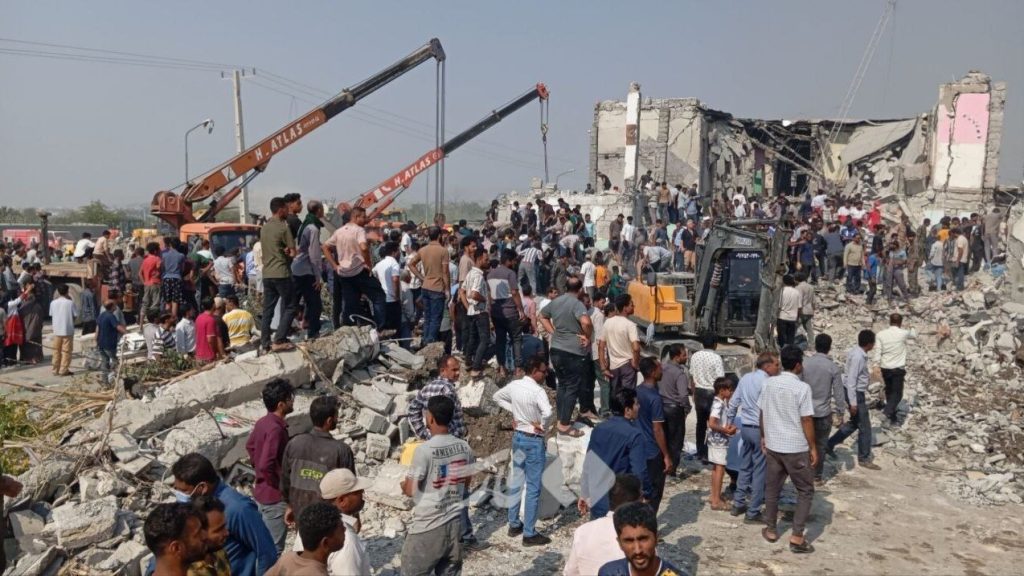
Insecurity remains a major concern, with the geographical diffusion and functional diversification of violence posing a significant threat to Nigeria’s unity and development. The rise of terrorist-linked groups, such as the Islamic State, and the increase in banditry in several states have reinforced the perception that state security is overstretched.
The declaration of a state of emergency in Rivers State in 2025 was a significant political event, with the federal government suspending the state’s governor, deputy governor, and House of Assembly. The move was seen as an attempt to protect the nation’s economic assets and restore peace and order, but it has sparked debate on federalism, state sovereignty, and the limits of democratic mandate.
The Nigerian government has expanded its social intervention programs, including the Nigerian Education Loan Fund, which has received over a million applications and disbursed ₦116 billion. However, institutional challenges persist, and the Academic Staff Union of Universities has threatened to embark on a nationwide strike over unresolved agreements.
The year 2025 also saw the rise of a party-dominance system, with defections to the All Progressives Congress becoming more common. This has weakened the opposition parties and raised concerns about the health of Nigeria’s democracy.
As Nigeria looks to 2026, critical questions remain. Will the United States’ strikes against the Islamic State lead to enhanced security or foreign domination? Will the Tinubu government be transparent about its relationship with France? Is the country experiencing a democratic recession or state decline? The answers to these questions will depend on the government’s ability to balance reforms with the need to address the country’s vulnerabilities.
President Tinubu has proposed a ₦58.18 trillion budget for 2026, with a focus on infrastructure, security, healthcare, and education. However, for many Nigerians, the key question is whether this budget will lead to economic revival and improved living standards. As the country navigates the challenges of 2026, it is clear that the pace of progress on security, inclusiveness, and relief will be crucial in determining the country’s future.