
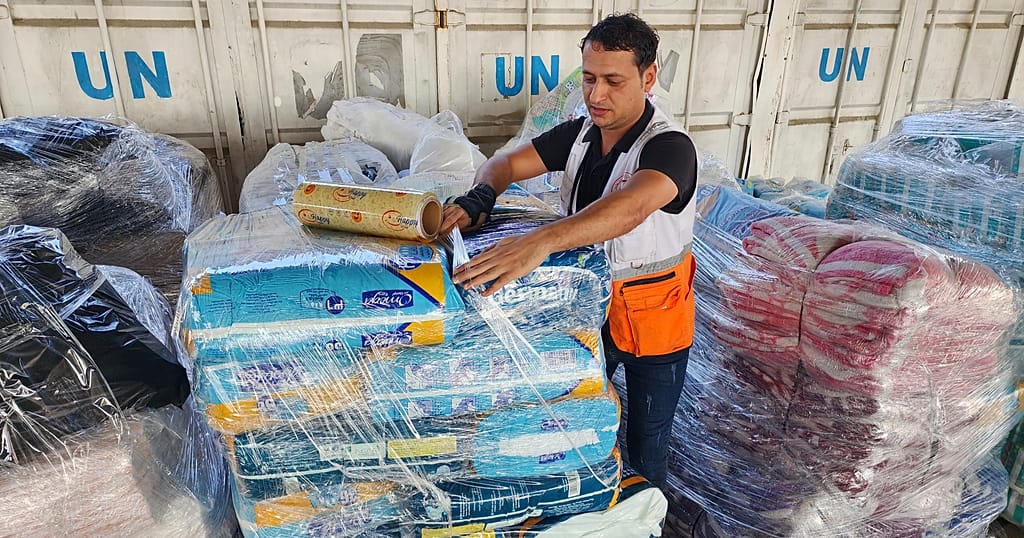
The United States has pledged $2 billion in humanitarian aid to the United Nations, a move that has sparked mixed reactions. While the Trump administration describes the pledge as generous, critics argue that it falls short of past commitments. This funding announcement comes at a time when Washington is reducing foreign assistance, advising UN agencies to adapt to the new financial reality.
The $2 billion will be allocated to an umbrella fund, giving the US significant control over how the money is distributed. This shift has raised concerns among humanitarian workers, as it has already led to deep cuts in programs and staff globally. To put this pledge into perspective, US humanitarian support for UN-backed programs has previously reached up to $17 billion annually. Of this amount, $8-10 billion was voluntary, in addition to billions more in mandatory UN dues.
The administration argues that this pledge maintains America’s position as the world’s largest humanitarian donor. However, critics warn that these cuts are short-sighted and may drive millions of people closer to hunger, displacement, and disease. Furthermore, the decision may weaken US influence abroad. This move caps a year of crisis for UN agencies, which have been struggling to cope with significant reductions in aid from the US and other Western countries.
In recent years, the UN has relied heavily on voluntary contributions from donor countries to fund its humanitarian programs. The reduction in US funding is likely to have a significant impact on the UN’s ability to respond to global crises. The US has historically been one of the largest contributors to the UN’s humanitarian efforts, and this shift in funding may lead to a reassessment of the UN’s priorities and programs.
The implications of this decision will be closely watched in the coming months, as UN agencies adapt to the new funding reality. The effects of reduced humanitarian aid are likely to be felt globally, particularly in regions where the UN has a significant presence. As the international community continues to grapple with complex humanitarian challenges, the role of major donors like the US will be critical in shaping the response to these crises.