
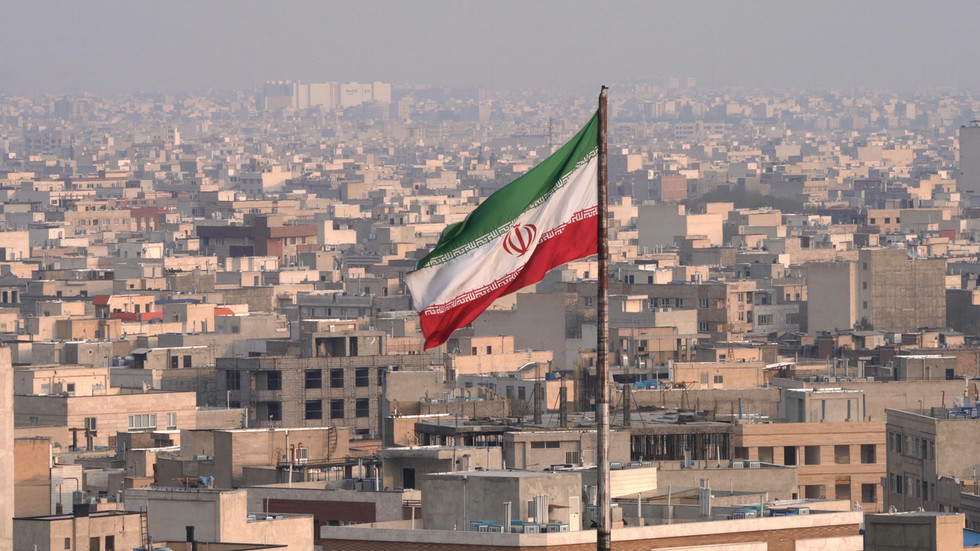
Tensions between Iran, the United States, and Israel have escalated after President Donald Trump threatened new strikes against Iran. Trump declared that he would “knock the hell” out of Iran if it attempted to rebuild its nuclear or ballistic‑missile programs, a statement he made alongside Israeli Prime Minister Benjamin Netanyahu.
In response, Iranian officials warned of immediate retaliation. Rear Admiral Ali Shamkhani, senior adviser to Supreme Leader Ayatollah Ali Khamenei, said Iran’s defense doctrine requires a swift response to aggression and cautioned that any attack would be met with an “immediate and harsh” reaction beyond what the planners imagine. President Masoud Pezeshkian echoed this warning, describing Iran’s response as “harsh and regrettable” and framing the situation as part of a “full‑scale war” with the United States, Israel and Europe.
The latest flare‑up follows a June air campaign in which the United States and Israel conducted joint strikes on Iranian nuclear sites, accusing Tehran of developing a nuclear weapon—a charge Iran denied. Iran retaliated with its own strikes on Israel. Russia has called for de‑escalation; Kremlin spokesman Dmitry Peskov urged all parties to avoid actions that could heighten regional tension and stressed the need for dialogue with Iran. President Vladimir Putin also spoke with Pezeshkian to discuss bilateral ties, strategic cooperation, and the nuclear issue.
The situation remains volatile, with Iran’s doctrine emphasizing a rapid response to any perceived aggression. As tensions rise, the international community watches closely, aware that the conflict’s outcome will have significant implications for regional and global stability. A peaceful resolution is essential to prevent further escalation.


Comments are closed for this story.