
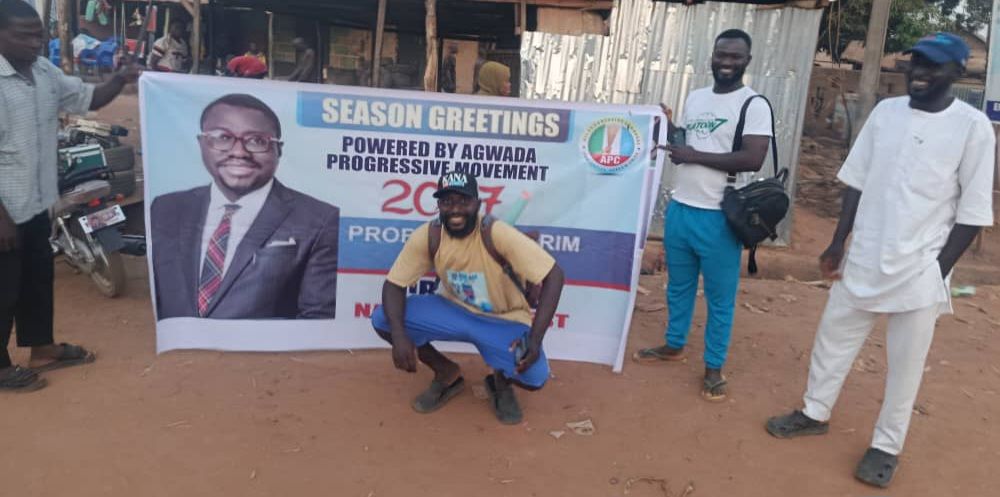
Youth in Nasarawa State, Nigeria, have been trekking long distances in solidarity with politicians ahead of the 2027 general elections, raising concerns about their welfare and the future of political engagement. The practice, intended to demonstrate loyalty and support, has become a familiar sight on social media, where images and videos show young men walking for hours or days under intense heat.
Residents hold mixed views on the trend. Some describe it as a survival strategy in harsh economic times, with participants motivated by the expectation of material rewards such as motorcycles, cash gifts, or positions as aides to politicians. Others see it as a troubling sign of deeper issues—youth priorities, economic desperation, and the evolving nature of political mobilization.
Critics argue that this transactional political support weakens democratic accountability, as citizens become less able to demand good governance. The focus on trekkers may also distort internal democracy, prompting politicians to invest in easily monetized spectacles rather than engaging party structures or convincing delegates with ideas and plans.
The debate gained momentum after a social commentator offered a reflective critique, questioning the message sent to younger generations about success and merit. The commentator warned that such actions convey the wrong signals, suggesting that proximity to power is more rewarding than personal development, and that creativity, technical skills, and community service often go unrewarded.
As Nigeria approaches another election cycle, observers in Nasarawa say the situation reflects a broader national challenge: transforming youthful energy from symbolic political gestures into meaningful civic participation and productive engagement. The concern now extends beyond trekking to what it represents—a political culture that rewards visibility over value, loyalty over competence, and short‑term gains over long‑term empowerment.
The significance of this trend reaches beyond Nasarawa State, potentially shaping not only the 2027 elections but also the future role of youths in Nigeria’s democracy. With the elections looming, it remains to be seen whether the trend will deepen or be redirected, and how it will impact the country’s political landscape.



Comments are closed for this story.