
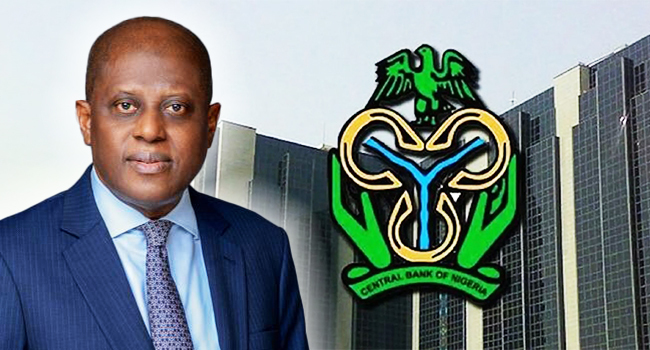
The Central Bank of Nigeria (CBN) forecasts that the country’s external reserves will rise to $51.04 billion in 2026, up from $45 billion in 2025. This projection appears in the CBN’s “Macroeconomic Outlook for Nigeria, 2026.” The report attributes the expected increase to reduced pressure in the foreign‑exchange market, higher oil earnings, sovereign bond issuance and stronger diaspora remittance inflows. As of 29 December 2025, Nigeria’s external reserves stood at $45.45 billion after a period of steady accretion.
The CBN expects the expansion of the Dangote refinery to further bolster reserves. The refinery’s capacity is projected to rise from 650,000 bpd in 2025 to 700,000 bpd in 2026 and eventually to 1.4 million bpd in the medium term. Increased domestic refining should lower foreign‑exchange demand for fuel imports, helping to keep the foreign‑exchange market stable. The bank also anticipates that reforms aimed at improving efficiency and transparency will narrow the premium between the Nigerian Foreign Exchange Market and Bureau de Change rates.
The outlook for 2026 is cautiously optimistic. The CBN expects modest economic growth, a continued moderation of inflation, and a stable foreign‑exchange market. Headline inflation is projected to decelerate to 12.94 % in 2026, driven by stable foreign‑exchange and energy markets, the lagged impact of previous rate hikes, and better policy coordination. Strategic policy decisions taken in 2025 are credited with improving price and exchange‑rate stability, boosting capital inflows and strengthening the financial system’s resilience.
The CBN stresses the need for harmonised fiscal and monetary policies, institutional reforms and tailored guidelines to sustain investor confidence and economic momentum. It will continue to use appropriate tools to anchor expectations, foster financial stability and promote confidence in the economy. On the fiscal side, the 2026 outlook is broadly positive, supported by sustained improvements in domestic crude‑oil production and the phased implementation of the Nigeria Tax Act 2025. Nonetheless, downside risks remain, including a prolonged decline in global oil prices and elevated debt‑service obligations. The bank will maintain regulatory oversight and ensure that policies remain timely, data‑driven and supportive of a stable macro‑economic environment.




Comments are closed for this story.