

The Central Bank of Nigeria (CBN) has forecast that inflation will moderate to 12.94 percent in 2026, driven by declining fuel and food prices. This projection is part of the bank’s macro‑economic outlook for Nigeria in 2026, released on Wednesday. The CBN also expects the economy to grow by 4.49 percent, attributing the expansion to continued gains from broad‑based structural reforms and a gradually easing monetary‑policy stance.
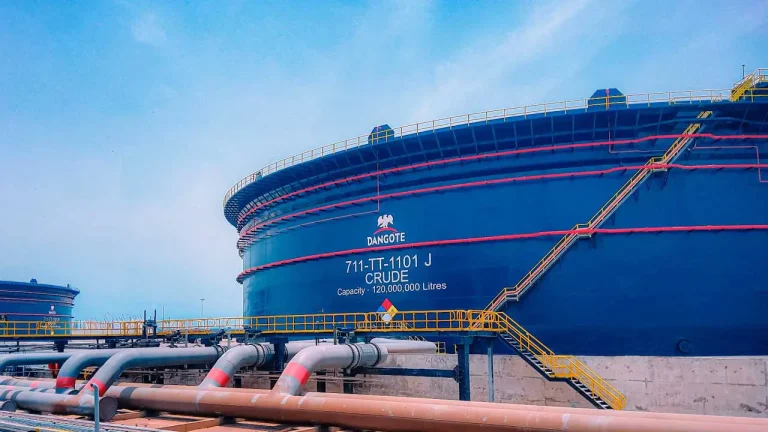
According to the CBN, the fall in fuel and food prices will be a key factor in reducing inflation. Recent drops in fuel prices have been triggered by an ongoing price war in the country’s oil downstream sector. The Dangote Refinery’s significant reduction in gantry petrol prices has pushed fuel costs to a range of N739‑N910 per litre nationwide. In addition, the National Bureau of Statistics reported that food inflation fell to 11.08 percent in November 2025.
The CBN’s projection suggests that the Nigerian economy is on a path to recovery, driven by a combination of monetary policy and structural reforms. A growth rate of 4.49 percent is a positive indication for the country’s economic prospects, while the moderation in inflation should bolster the purchasing power of Nigerian consumers. The decline in fuel prices, in particular, is expected to reduce the overall cost of living.
The ongoing price war in the oil downstream sector is likely to continue, potentially leading to further reductions in fuel prices. The CBN’s forecast assumes that current trends will persist, and the bank will monitor the situation closely to ensure its projections are realized. Overall, the macro‑economic outlook for 2026 points to a positive trajectory for Nigeria’s economy, with growth and inflation trends serving as key indicators of a recovering market. Investors and other stakeholders will be watching these projections closely as the country strives for sustainable economic development.



Comments are closed for this story.