
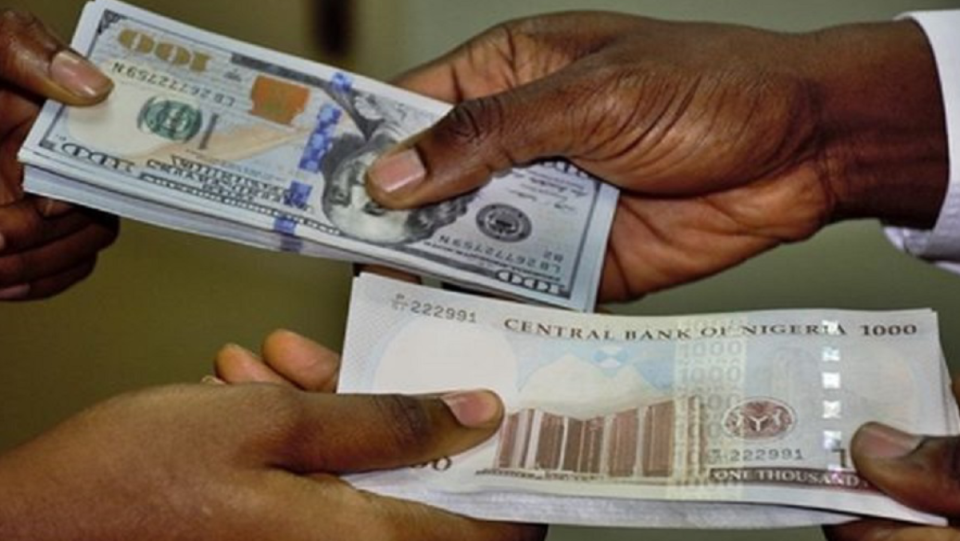
The Nigerian naira experienced a significant strengthening in 2025, with a gain of nearly N100 against the US dollar. This upward trend is reflected in the currency’s closing value on December 31, 2025, which stood at N1,435.76 per dollar, marking an improvement from the N1,535 recorded at the end of 2024.
The country’s foreign reserves also saw a notable increase, rising to $45.5 billion as of December 30, 2025, from $40.9 billion in the previous year. This represents an annual appreciation of 6.68 percent for the naira and an 11.05 percent growth in foreign reserves. The improvement in the naira’s value and the growth in foreign reserves suggest a gradual recovery for the currency, following a 40.9 percent decline recorded in 2024.
The Central Bank of Nigeria attributed the positive trend to policy and institutional reforms, as well as stable crude oil prices that have supported economic growth. In its 2026 Economic Outlook, the bank noted that the fiscal space improved in 2025 due to these reforms and stable crude oil prices, which have fostered growth. The stability in crude oil prices is particularly significant for Nigeria, given the country’s reliance on oil exports as a major source of revenue.
The appreciation of the naira and the increase in foreign reserves are key indicators of the country’s economic health. A stronger naira can help reduce the cost of imports, which could have a positive impact on inflation. Furthermore, the growth in foreign reserves provides a cushion against external shocks and can help support the currency in times of uncertainty.
The improvement in Nigeria’s economic indicators is a welcome development, especially after the challenges faced by the country in 2024. As the country looks to build on this progress in 2026, the Central Bank’s policy and institutional reforms, coupled with stable crude oil prices, will be crucial in sustaining the recovery of the naira and supporting broader economic growth.