
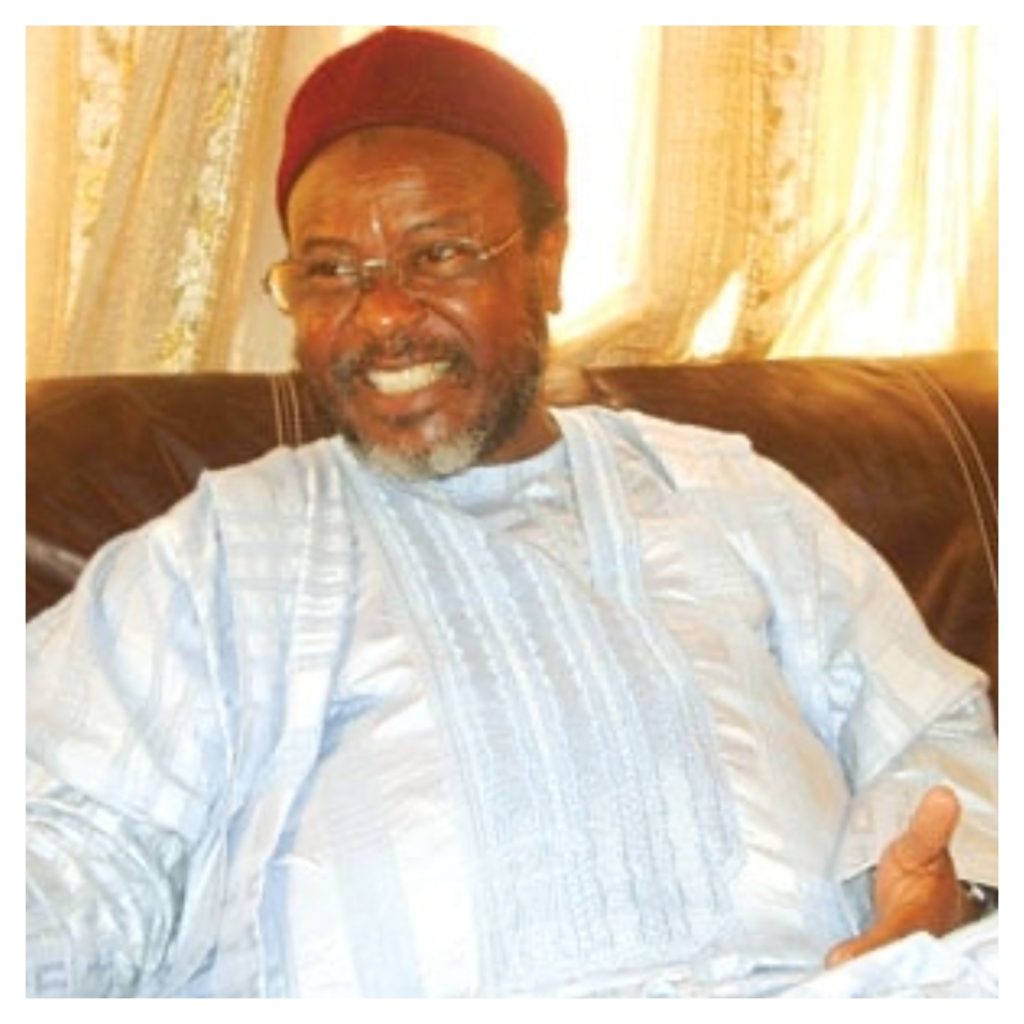
Abdallah Wali, a veteran politician and former diplomat, has officially ended his over 20-year affiliation with the Peoples Democratic Party (PDP) in Nigeria. In a formal resignation letter dated December 31, 2025, addressed to the PDP ward chairman of Sanyinna Ward in Tambuwal Local Government Area of Sokoto State, Wali announced his immediate withdrawal from the party. The letter, which was also sent to the PDP chairman in Tambuwal LGA and the party’s Sokoto State chairman, stated, “I hereby resign my membership of the Peoples Democratic Party, including all its organs to which I belong. This resignation is with immediate effect.”
Wali, who has had a long-standing association with the PDP, expressed his gratitude to the party for providing him with a platform to serve in various capacities, both within the party and in the country. He also appreciated the unwavering loyalty and support of his followers over the past quarter century, describing it as invaluable. With a career spanning over two decades, Wali has held notable positions, including that of a senator and diplomat, showcasing his commitment to public service.
As a key figure in Nigerian politics, Wali’s decision to leave the PDP is significant, marking the end of an era for his involvement with the party. Although he has not yet disclosed his next political move, his resignation has sparked interest and speculation about his potential future plans. The PDP, one of the major political parties in Nigeria, has been a significant player in the country’s political landscape, and Wali’s departure may have implications for the party’s dynamics and strategy.
At this time, Wali’s next steps remain unclear, leaving room for speculation about his potential future endeavors. As a seasoned politician with a wealth of experience, his decision to leave the PDP is likely to be closely watched by political observers and analysts. The development may also have implications for the political landscape in Sokoto State and beyond, as politicians and parties navigate the complexities of Nigerian politics. With Wali’s resignation now formal, attention will be focused on his future plans and how they may impact the country’s political terrain.